
Osun Governorship Debate Called Off After Leading Candidates Fail to Appear
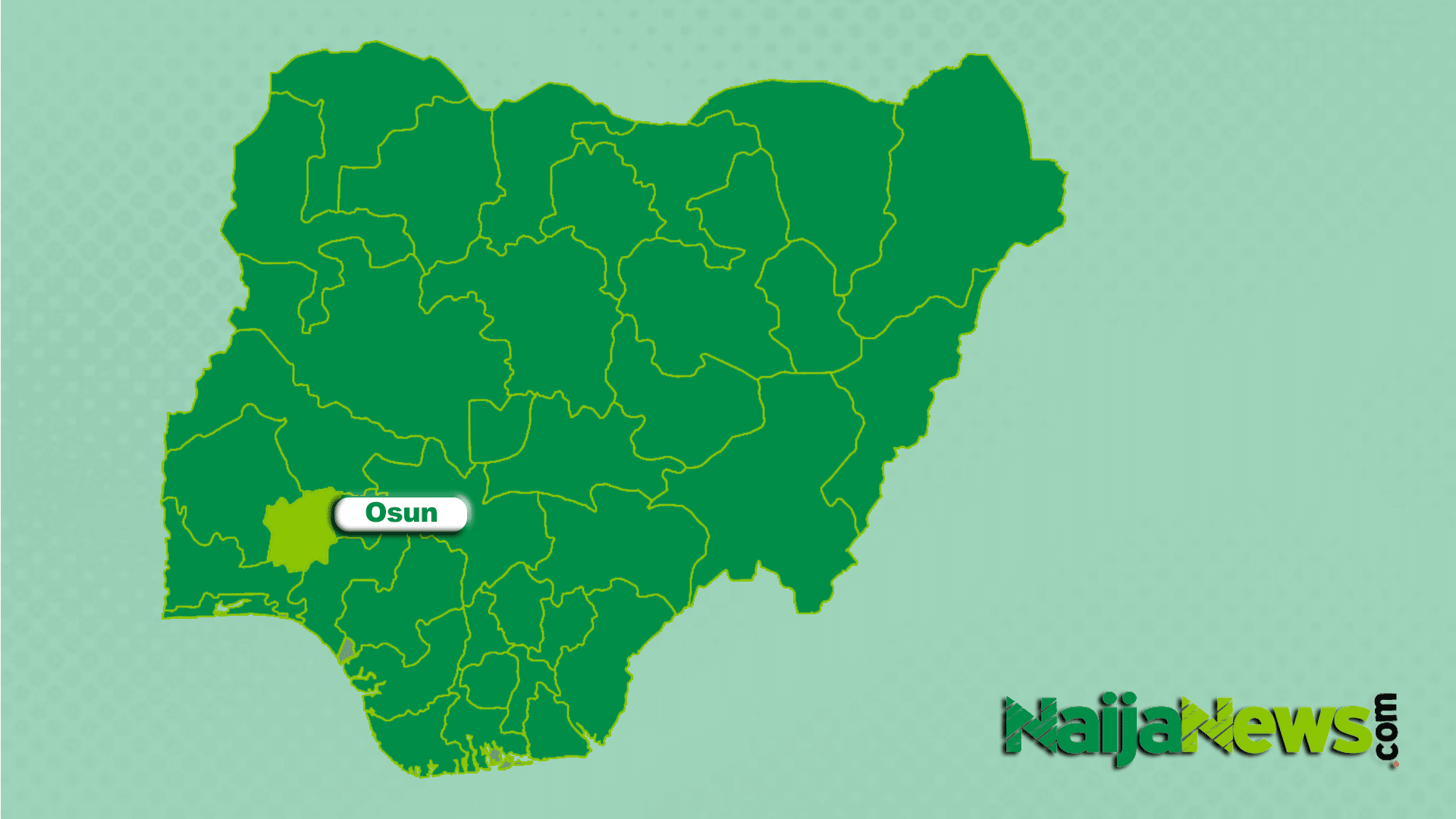
The governorship debate planned ahead of the August 15 Osun State election was cancelled after several leading candidates did not attend, forcing organisers to call it off.
The event was meant to give candidates a platform to outline their policies and answer questions from the public before voters go to the polls.
The cancellation followed a similar setback just a day earlier, when an online debate hosted by BBC Yoruba also struggled to attract participation from some of the top contenders.
Governor Ademola Adeleke of the Accord Party and the All Progressives Congress (APC) candidate, Bola Oyebamiji, were notably absent from that BBC Yoruba programme.
Saturday’s debate had been scheduled to start at 3 p.m., with candidates expected to appear in person.
However, after the main contenders failed to show up, the organisers decided to cancel the event.
In a statement, the organisers said security concerns and the unwillingness of several front‑line governorship candidates to participate under the prevailing conditions left them no alternative but to call off the debate.
Before the announcement, the African Action Congress (AAC) governorship candidate, Olajide Esan, had already arrived at the venue.
Esan criticised the candidates from the Accord Party, the APC and the African Democratic Congress (ADC) for refusing to face the electorate.
He argued that anyone seeking to govern the state should be ready to explain their programmes publicly and answer voters’ questions.
By avoiding debates, he said, candidates deny the electorate a proper chance to assess those asking for their support.
Esan also claimed that the parties that stayed away have been part of the political system for years yet have failed to deliver lasting solutions to Osun State’s challenges and Nigeria’s broader problems.
He urged residents of Osun, irrespective of religion, to examine the candidates carefully before voting.
Esan appealed to eligible voters to make good use of their Permanent Voter Cards and elect leaders capable of tackling poverty and improving livelihoods.