
FIFA Insists Football Is Not for Sale Amid Rising Opposition
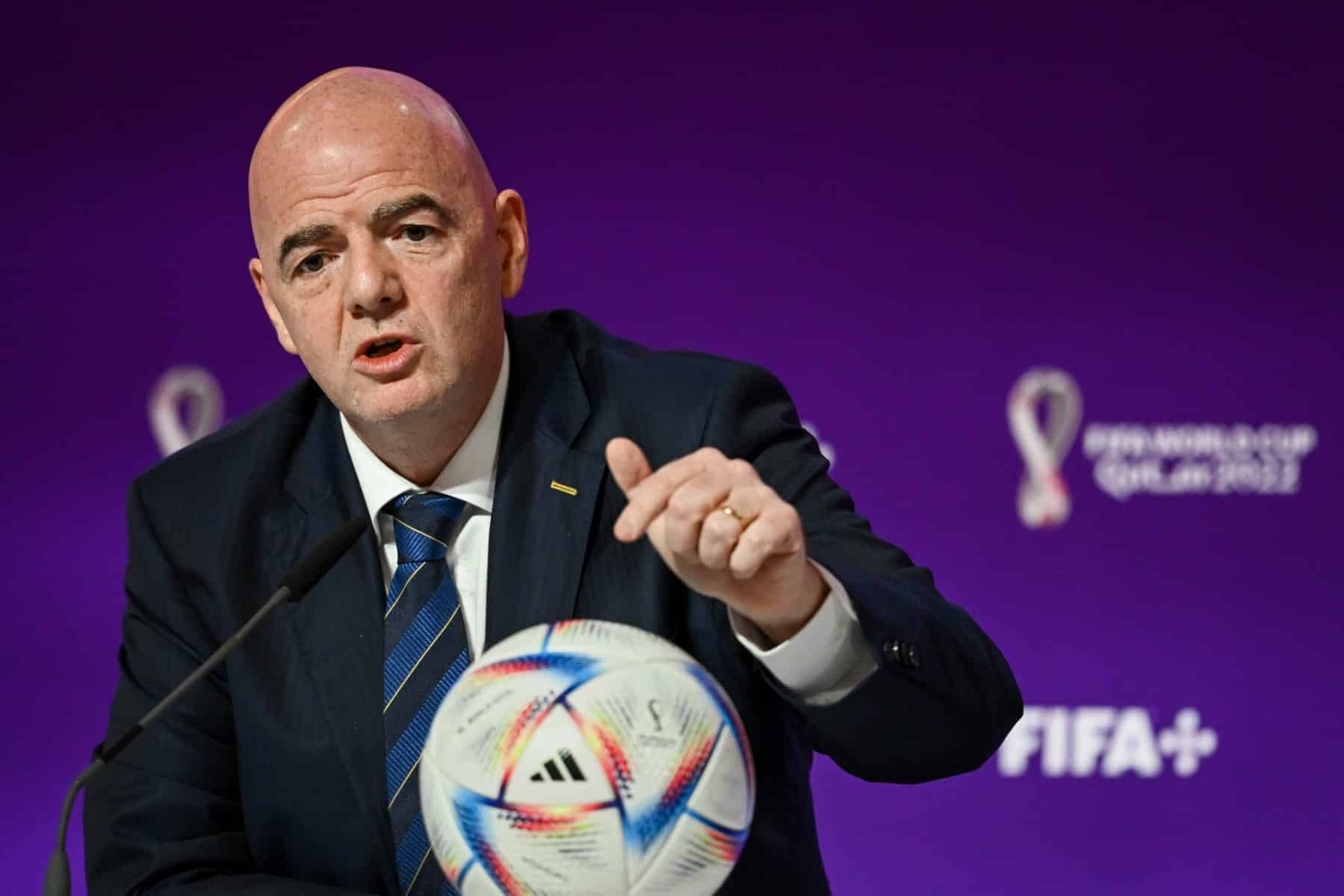
FIFA has reiterated that football is “not for sale” while defending a proposal to let private investors acquire minority stakes in a new commercial arm that would oversee its marquee tournaments.
The governing body issued the statement on Friday after UEFA warned it might boycott future World Cups if the plan proceeds. Concacaf, representing North and Central America and the Caribbean, also said its 41 member associations rejected the idea.
FIFA dismissed reports that it intends to sell football, pledging to continue consulting its 211 member associations before any decision is taken.
“We respect the feedback and concern aired in public and reaffirm our commitment to an open and democratic consultation,” the statement read. “We will proceed with this consultation process to ensure that each member association can express its vote based on facts. Nobody is selling football. This is not something FIFA would ever entertain.”
Details of the Proposed Commercial Structure
Under the plan, FIFA would create a commercial subsidiary called FIFA Forward Enterprise (FFE). Outside investors could purchase minority, non‑controlling stakes in this entity.
FIFA argues the structure would help member associations benefit from football’s commercial growth while preserving the organisation’s governance.
“This does not come at the cost of either the spirit or the governance of FIFA or football itself,” the body added.
Strong Criticism from Continental Bodies
UEFA accused FIFA of turning football into a commercial asset, insisting the World Cup should never be opened to private investment.
“The World Cup cannot be treated as an investment product,” UEFA said. “It is one of football’s greatest sporting legacies, built over generations by players, national teams and supporters across every continent. No part of it should ever be surrendered to private investors. The World Cup is not for sale.”
UEFA described the move as a “profound failure of leadership” and an abdication of FIFA’s duty as custodian of world football.
Concacaf echoed concerns, noting its members were worried about insufficient consultation and the short deadline given to national associations.
The Asian Football Confederation expressed similar reservations, while CAF and the Oceania Football Confederation are expected to discuss the plan in August. CONMEBOL, the South American governing body, has yet to state its position publicly.
Financial Incentives and Notable Voices
FIFA president Gianni Infantino previously told member associations they could receive up to $40 million if they backed the proposal, with an initial $20 million payment available to federations that approve the plan before the 19 September deadline.
Approval would require the support of at least 106 of FIFA’s 211 member associations.
Former Chelsea manager and 2010 World Cup winner Xabi Alonso also weighed in, backing calls to keep football free from private ownership.
“I think football has to be for the people, not in private hands,” Alonso said. “The way we love it is this way, and we have seen a great World Cup. It’s good to defend the interests of all the people.”
He added that the sport’s authenticity creates the emotions and passions fans feel in competitions ranging from the World Cup to the Premier League.
As the debate continues, FIFA says it will keep listening to its members before moving forward with any decision.