

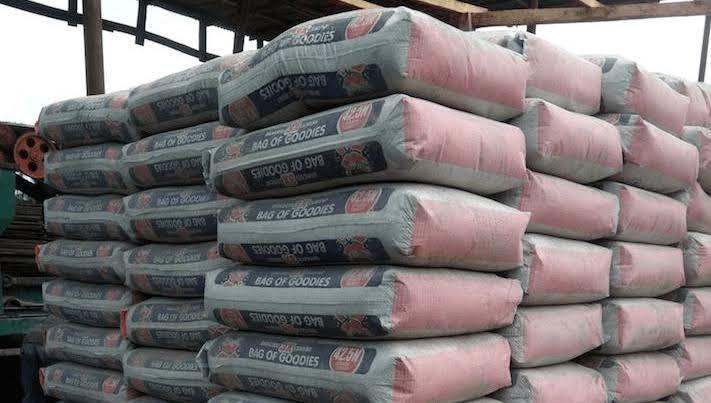
Nigeria’s building materials market continues to be shaped by major cement brands like Dangote, BUA, and Lafarge. Current prices show significant regional variations despite market dominance by these manufacturers. Fluctuations persist across retail outlets nationwide.
Current Cement Prices Per 50kg Bag
Latest market surveys indicate these price ranges:
- BUA Cement: ₦10,100 – ₦10,300
- Lafarge Cement: ₦10,400 – ₦10,600
Dangote Cement maintains competitive pricing within similar brackets, though exact figures vary by location.
Key Factors Influencing Cement Costs
Foreign Exchange Pressures
Production relies heavily on imported materials priced in foreign currency. The naira’s depreciation directly increases manufacturing expenses. These costs transfer to consumers through higher retail pricing.
Energy and Fuel Expenses
Cement manufacturing requires substantial energy. Rising diesel costs for plant operations and transportation significantly impact overall production budgets. Electricity instability further complicates cost management.
Logistical Challenges
Poor road infrastructure increases distribution expenses. Transporting cement from factories to remote locations adds substantial markups. Security concerns and route difficulties also contribute to final pricing.
Supply-Demand Dynamics
Construction booms create cement shortages during peak demand periods. Manufacturers struggle to scale production rapidly. This imbalance allows price increases when supply cannot meet market needs.
Government Policy Impact
Despite government appeals for price reductions, manufacturers cite operational costs. Calls for ₦7,000 per bag haven’t materialized. Production expenses prevent alignment with these targets.
Brand Positioning Strategies
Major players leverage market dominance in pricing. Brand reputation allows premium pricing even with similar production costs. Market leaders maintain pricing power through extensive distribution networks.
Consumers should monitor local markets for real-time pricing. Regional factors cause significant cost differences nationwide.