

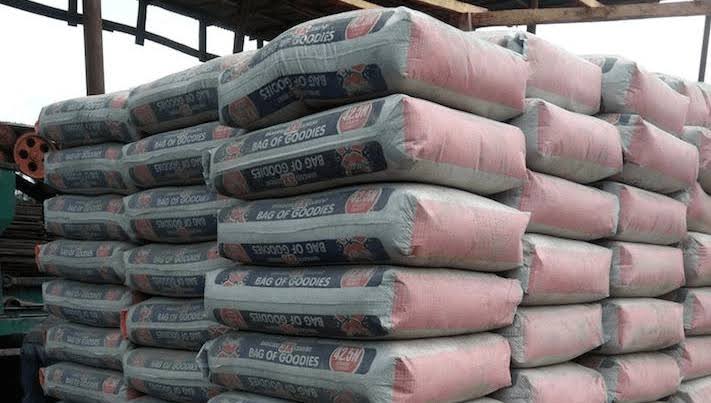
The Nigerian cement market currently shows consistent pricing. Major producers are selling at similar rates. However, a northern competitor shows a slight price difference. This report details the key factors influencing cement costs nationwide.
Key Factors Influencing Cement Prices
1. Energy and Fuel Costs
Cement plants rely heavily on energy. Gas, coal, and diesel prices directly raise production costs. Frequent petrol scarcity often increases diesel prices. This further pushes manufacturing overheads higher.
2. Transportation and Haulage Expenses
Moving cement from factories to distributors adds to the final retail price. Poor road conditions increase truck maintenance costs. They also slow down delivery times. Higher diesel expenses are passed to haulage operators. This raises overall delivery charges.
3. Import and Port Logistics
Nigeria largely produces its own cement. Yet, machinery and industrial parts are often imported. Clearing costs at ports impact maintenance expenses. Fluctuating customs rates also play a role. Foreign exchange scarcity makes spare parts more expensive for imported plant equipment.
4. Exchange Rate Volatility
Cement manufacturers purchase gas and industrial lubricants in dollars. Plant maintenance tools and imported equipment also use dollar-linked pricing. Truck spare parts are affected too. When the Central Bank of Nigeria’s rate changes, production costs shift immediately.
5. Raw Materials Availability
Limestone, gypsum, fly ash, and laterite are key raw materials. Their location relative to cement plants affects extraction costs. Areas far from mines face higher input costs.
6. Market Demand and Seasonality
Cement prices rise during peak construction periods. These include the dry season building boom. The fourth-quarter housing rush also drives demand. Government infrastructure budget releases further push prices up.
7. Government Policies and Levies
Various government charges add to cement prices. These include taxes and road usage levies. Environmental compliance fees also contribute. State royalties further increase the price buildup.
8. Production Efficiency
Companies that optimize operations can reduce costs. This gives some regional producers an edge. For instance, Mangal might have a slight pricing advantage due to efficiency.