
Sam Amadi Sounds Alarm on 2027 Party Primaries
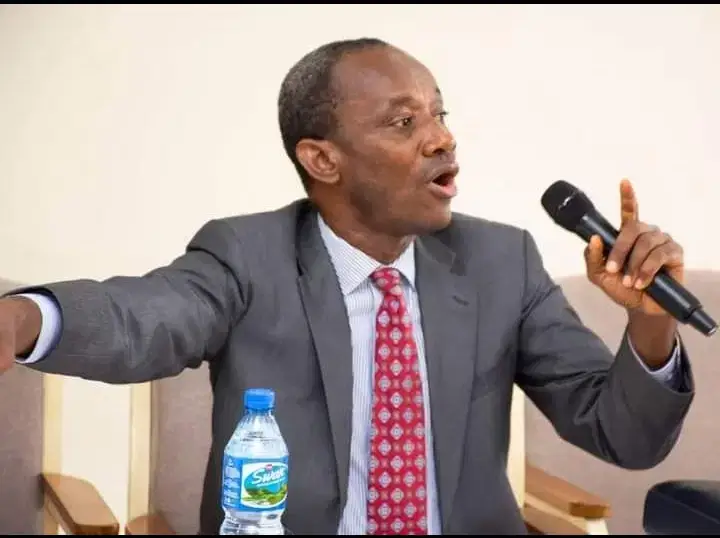
The Director of the Abuja School of Social and Political Thoughts, Sam Amadi, has declared that Nigeria is experiencing its most troubling phase of party organisational politics to date. He argued that the confusion, internal disputes, and uncertainty surrounding the ongoing primary season surpass what the nation faced before the 2023 general elections.
While acknowledging that the 2023 primaries were also marred by crises, Amadi emphasized that the present situation is far more severe due to a pervasive lack of clarity within the major parties.
“This is the worst we have had in party organisational politics in Nigeria. In 2023, we had crises here and there, but it wasn’t at this level.”
Sam Amadi
He recalled that parties entered the 2023 elections with relatively clear identities and structures—PDP remained PDP, APC remained APC—whereas today several parties are grappling with internal disarray.
Direct Primaries: Progress Amid Flaws
Amadi also commented on the growing adoption of direct primaries by political parties. He noted that, despite the many shortcomings of the process, the fact that parties are still holding primaries indicates that a semblance of democratic procedure persists.
“The second issue we have now is the transition to direct primaries. There are two ways to look at it. We are making progress. No matter how damaged these processes are, at least there’s a process.”
Sam Amadi
Nevertheless, he warned that the quality of party organisation remains a critical concern as Nigeria prepares for the next round of general elections. He stressed that candidate selection lies at the heart of electoral credibility, given that parties are the main vehicles through which Nigerians participate in democratic contests.
The former Chairman of the Nigerian Electricity Regulatory Commission (NERC) has consistently linked weak internal democracy to poor governance outcomes. Amadi urged parties to build clearer internal structures, adhere to their own rules, and enhance the transparency of their nomination processes.
While direct primaries may appear more participatory, they must be managed openly to avoid becoming another source of dispute. He concluded that the current crisis should worry citizens, election managers, and political actors alike, because the calibre of candidates produced by parties will ultimately shape the quality of governance in Nigeria.
“Nigeria’s democracy will remain fragile if political parties continue to enter elections with confusion, weak structures, and unresolved internal disputes,” Amadi cautioned.