
Segun Odegbami Calls for Overhaul of Nigeria Football Federation
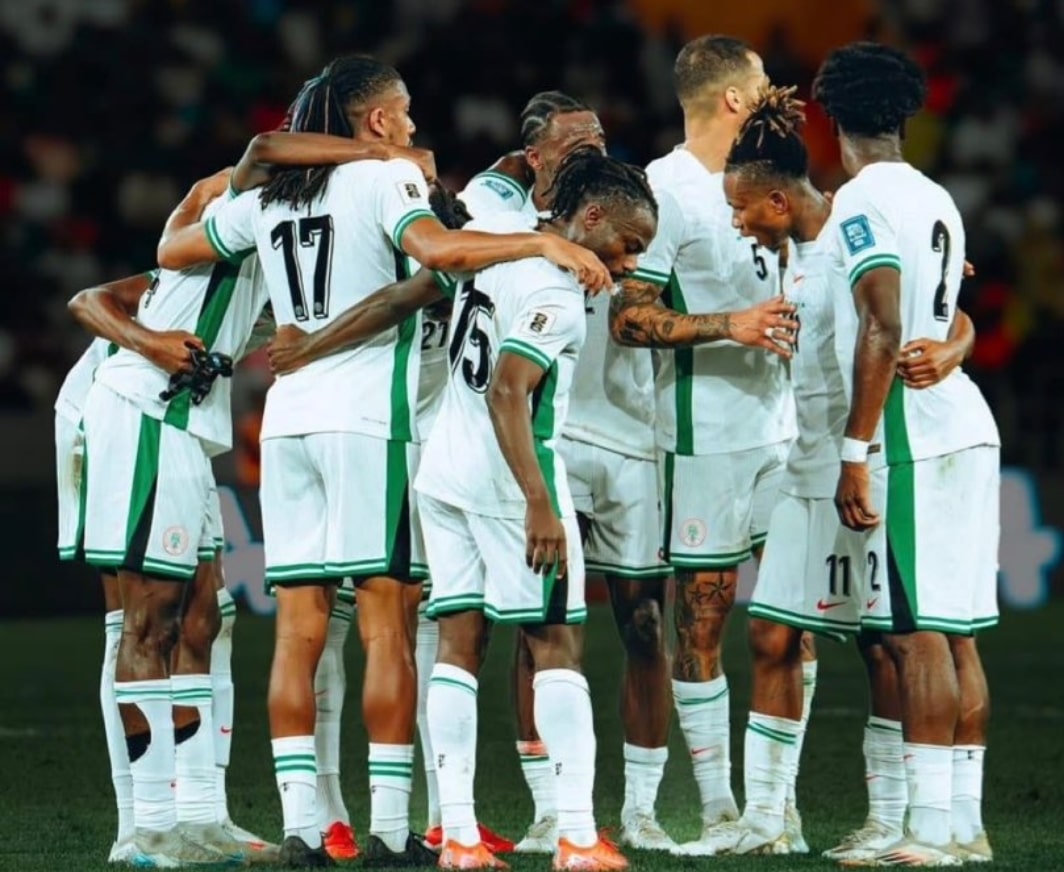
Former Nigeria international Segun Odegbami has renewed his demand for a complete restructuring of the Nigeria Football Federation (NFF) following the Super Eagles’ failure to qualify for the 2026 FIFA World Cup. He described the absence from the tournament as a national emergency that reflects deeper administrative failures rather than just poor on‑field results.
Nigeria’s 2026 World Cup Failure and Its Financial Impact
The Super Eagles missed out on at least $10.5 million in FIFA participation and preparation funds — an amount estimated above ₦15.5 billion, representing a significant slice of the NFF’s projected annual budget. Beyond the direct FIFA money, the loss also meant vanished sponsorship deals, broadcast revenue, global exposure for players, and broader economic benefits linked to World Cup participation.
Infrastructure Neglect and Administrative Mismanagement
Despite owning more than 30 stadiums nationwide, many facilities suffer from years of neglect. The National Stadium in Surulere, Lagos, remains in disrepair, while the Teslim Balogun Stadium requires constant upkeep to meet certification standards. Even the Godswill Akpabio International Stadium in Uyo, often praised as one of the country’s best venues, is losing its functionality due to overuse.
Former Minister of Sports Solomon Dalung pointed out that entrenched interests have allowed the rot to persist for decades, with some administrators allegedly benefiting more when teams exit tournaments early because unspent funds are rarely accounted for. He recalled an elderly man’s remark: “In sports, we work harder for failure than for success.”
The Minister of the Federal Capital Territory, Nyesom Wike, echoed the frustration, telling former Super Eagles captain Joseph Yobo during a road‑project commissioning that Nigerians are unhappy about the country’s absence from the World Cup.
Warnings About 2030 World Cup and Calls for Reform
Stakeholders and former internationals warn that without urgent reforms Nigeria risks missing the 2030 FIFA World Cup as well. They insist that football administration must be driven by competence, transparency, and accountability rather than politics and personal interests.
Odegbami emphasized that qualification for the World Cup should be the minimum expectation for a nation with Nigeria’s population, talent pool, and football pedigree. He vowed to continue pushing for changes to the NFF statutes so that current administrators can be voted out in future elections through legitimate processes.
Other ex‑players, including Anambra State FA Chairman Chikelue Iloenyosi and former international Austin Popo, urged former footballers to take a more active role in governance, calling for unity to save the sport.
The collective message is clear: decisive action — overhauling the NFF, fixing stadiums, ensuring timely player bonuses, and revitalising youth development — is essential to restore Nigeria’s status as a football powerhouse and secure future World Cup appearances.