Ghana Coach Carlos Queiroz Criticizes Expanded 2026 FIFA World Cup Format
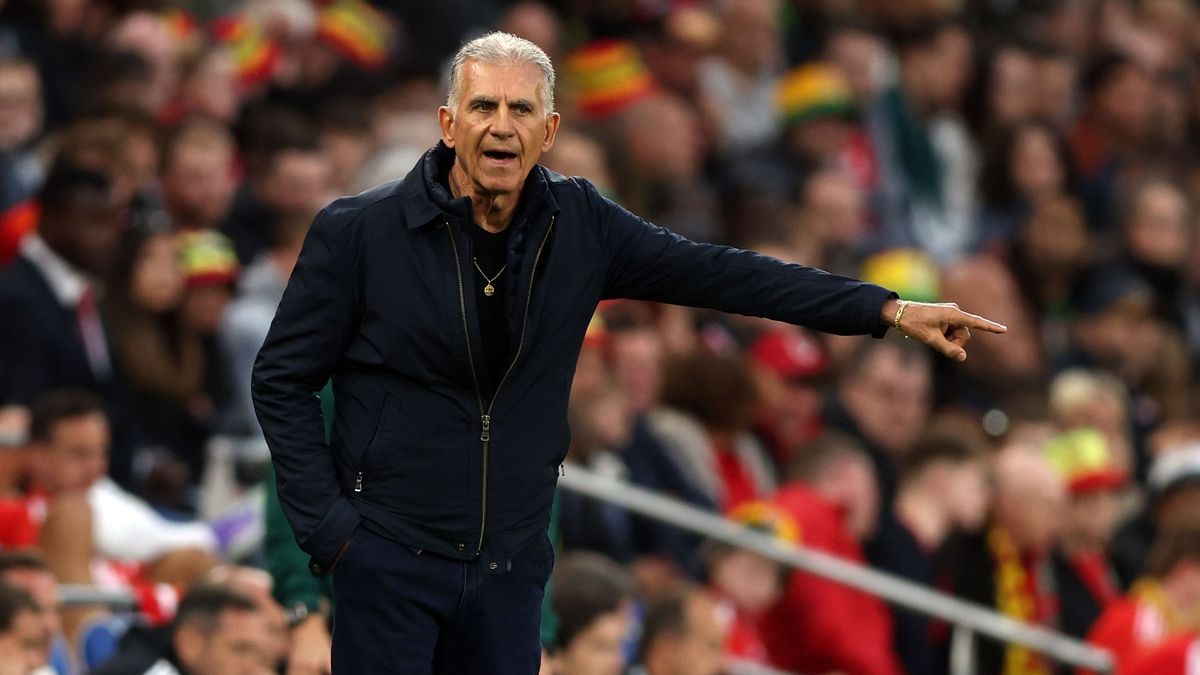
Ghana head coach Carlos Queiroz has voiced strong opposition to FIFA’s decision to expand the World Cup to 48 teams, claiming the change diminishes the prestige of qualification and renders the tournament “vulgar and ordinary.”
FIFA ratified the expansion in 2017 under President Gianni Infantino, who argued it would allow more nations and fans to participate in football’s premier event.
Detractors contend the move is motivated primarily by revenue rather than sporting integrity.
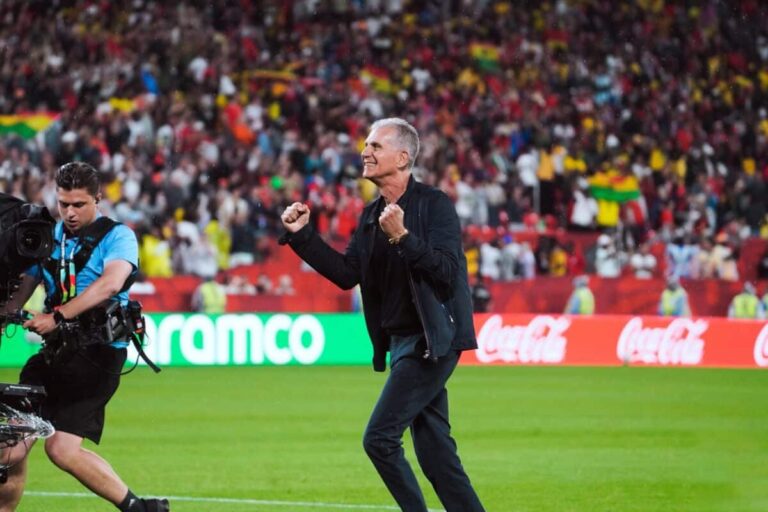
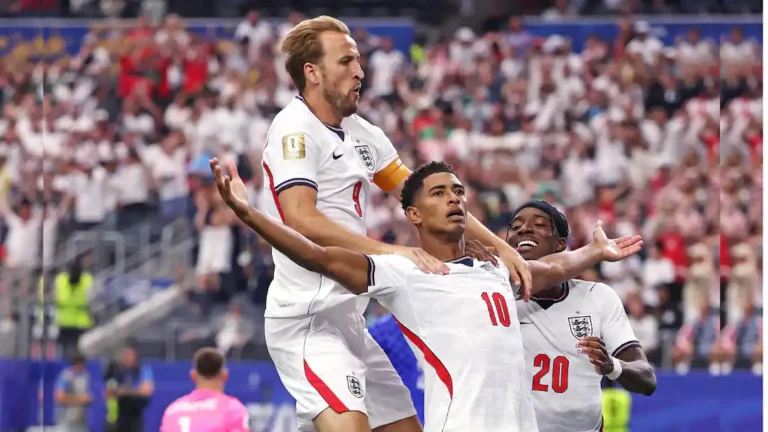
Queiroz, a veteran coach with over 40 years of experience and stints with 11 national sides, led Ghana to the knockout phase after a win over Panama and a draw with England earned them a favorable third‑place standing.
Despite his team’s advantage under the new format, the 73‑year‑old insisted that only the top two teams from each group should progress.
Speaking after Ghana’s 2‑1 loss to Croatia in Philadelphia, Queiroz remarked, “I believe that value comes when things are rare. The number of teams that can qualify for this competition can turn it into something vulgar and ordinary. When so many teams can qualify, is the value still rare? That would seem debatable to me but it is only my opinion.”
Queiroz, appointed Ghana manager in April, became just the second coach after Bora Milutinovic to appear at five consecutive World Cups, having previously guided Portugal to the 2010 finals and Iran to the next three editions, and also steering South Africa to the 2002 tournament.
He also criticised the growing allocation of qualification spots, especially in South America where six of the ten CONMEBOL teams now qualify automatically and a seventh can still reach the finals via inter‑confederation play‑offs.
“The real success now in South America would be in not qualifying,” he said. “Who did not qualify in Europe? The qualification tournaments start to lose their significance if everyone qualifies. Qualification should be serious, it should be very tough, very competitive.”
“The World Cup should be something with meaning and significance. It should be rare. But, as you know, today money talks in the game. Where we used to talk about football, it is now Moneyball.”
About the Author