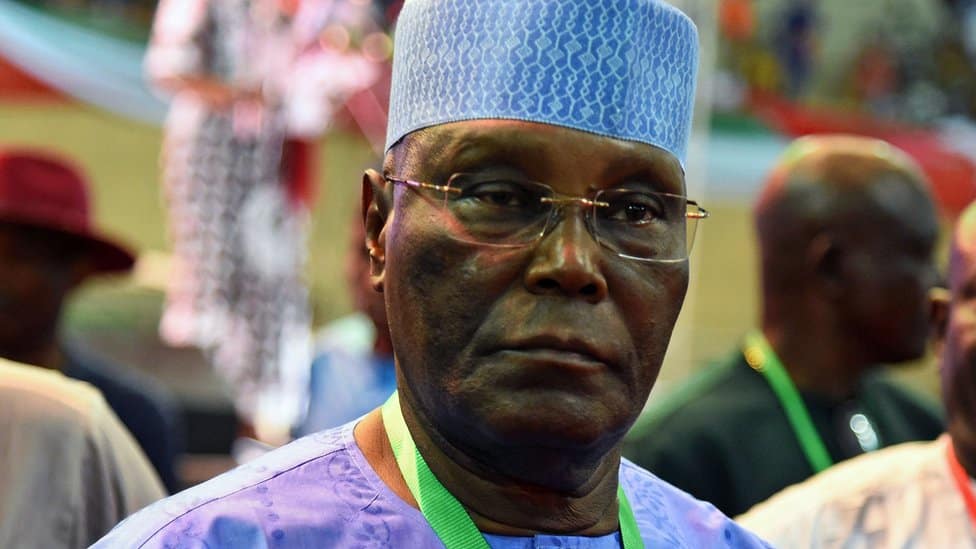
Atiku Abubakar Challenges Tinubu’s Economic Claims
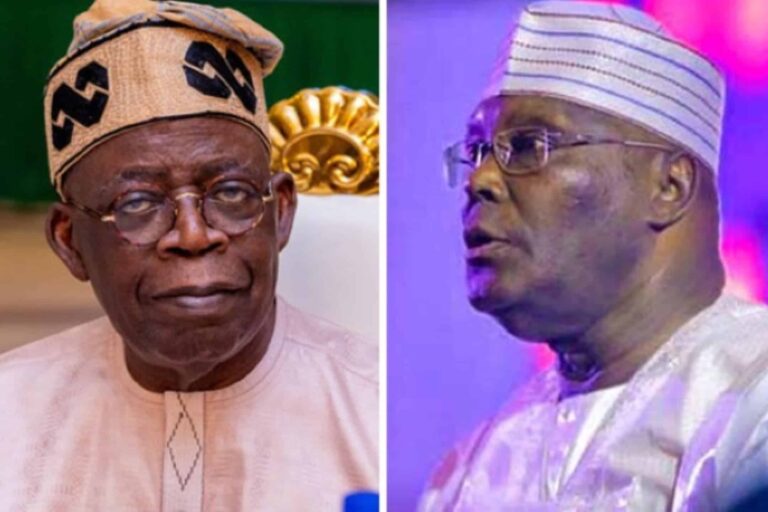
Former Vice President and African Democratic Congress presidential candidate Atiku Abubakar has denounced the Tinubu administration for relying on propaganda and macroeconomic figures that do not reflect the lived realities of Nigerians.
He argued that President Bola Tinubu cannot claim the country is improving while the industrial sector is actively shutting down. According to data from the Manufacturers Association of Nigeria, 767 manufacturing companies have closed their doors, and another 335 are operating under severe distress.
“A government cannot claim its economic policies are working when the nation’s factories are closing their gates. Prosperity is not built by celebrating statistics while production collapses,” Atiku stated.
He pointed out that manufacturers are holding approximately ₦2.14 trillion worth of unsold finished goods, a symptom of collapsing consumer purchasing power.
Several multinational firms — including Procter & Gamble, GlaxoSmithKline, Sanofi, and Kimberly‑Clark — have either exited local manufacturing or halted production in Nigeria, while many domestic companies have also suspended operations.
:paragraph –>To keep factories running, manufacturers have spent about ₦1.1 trillion on diesel due to unreliable electricity supply shortages and higher energy costs.
Atiku noted that firms have spent roughly ₦1.1 trillion on diesel to power their plants because of unreliable grid power and soaring energy costs.
While the presidency continues to highlight GDP growth, debt ratios, and other macroeconomic indicators, millions of Nigerians face rising food prices, unemployment, and dwindling purchasing power.
He questioned why poverty and food insecurity remain widespread if the government’s reforms were truly delivering the benefits being advertised.
“Governments are elected to improve lives, not spreadsheets. Nigerians cannot eat GDP, they cannot cook with debt‑to‑GDP ratios, and they cannot pay school fees with statistical projections,” he declared.
Atiku also criticised the administration’s continued borrowing despite claims that revenues had improved after the petrol subsidy removal and tax‑administration reforms. He demanded an explanation for record‑level borrowing if fiscal reforms had genuinely strengthened public finances.
The former vice president urged the Federal Government to show how the gains from subsidy removal have translated into better infrastructure, healthcare, education, and social welfare, insisting that Nigerians deserve to see the promised dividends after enduring record fuel prices, soaring transport costs, and a sharp rise in the cost of living.
He concluded that the true measure of economic performance is whether citizens can afford food, healthcare, and education — not the celebration of abstract GDP figures.
About the Author