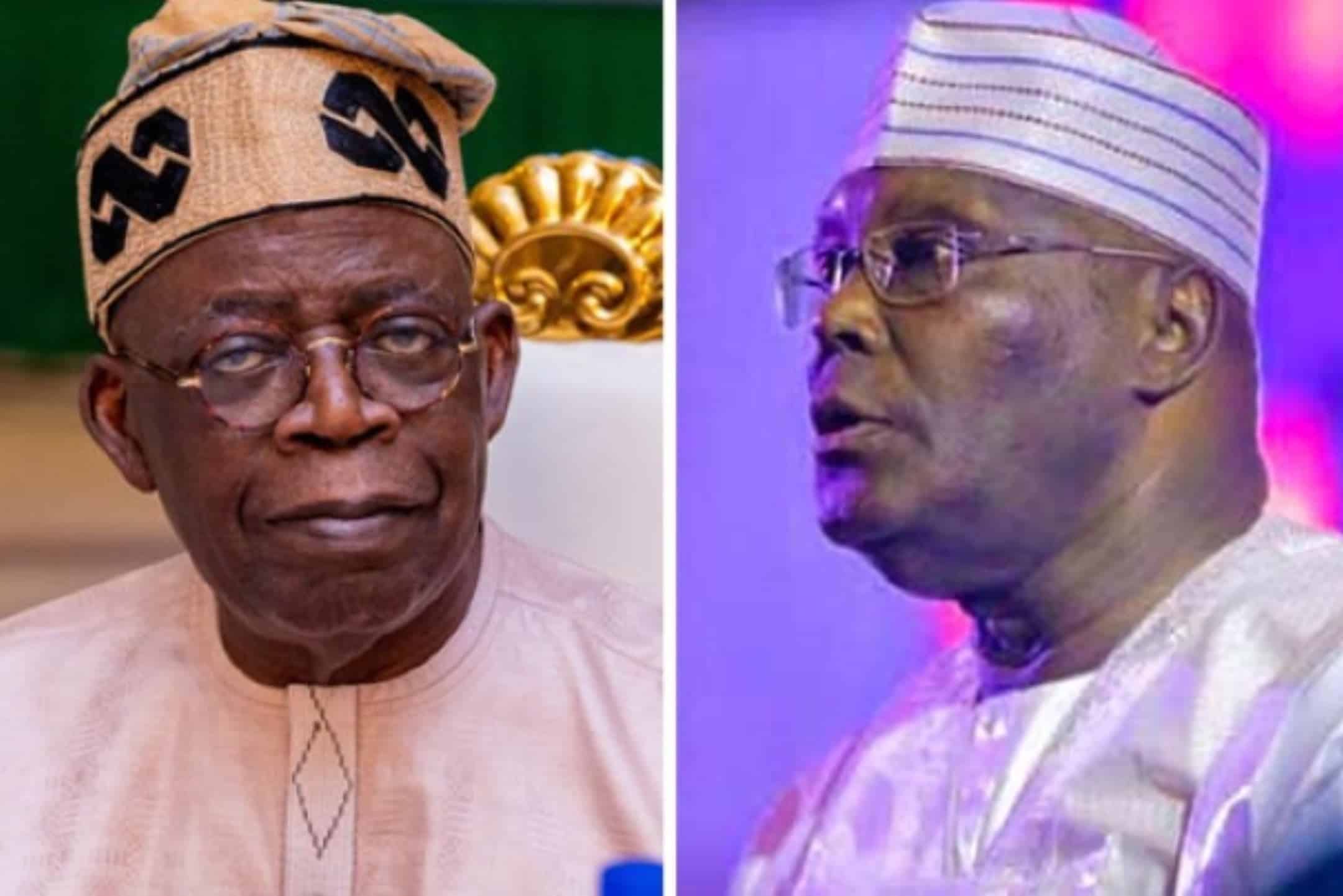
Atiku Abubakar Slams Tinubu’s Economic Record
Former Vice President of Nigeria and presidential candidate of the African Democratic Congress (ADC), Atiku Abubakar, has rejected the Presidency’s defence of President Bola Tinubu’s economic performance as a desperate attempt to replace real results with propaganda. He insists that no amount of statistical manipulation can hide the daily suffering endured by millions of Nigerians.
Atiku pointed out the irony of an administration that is simultaneously implementing the 2024, 2025 and 2026 budgets while asking citizens to forget the consequences of its earlier fiscal decisions. He recalled the Yoruba proverb: “The one who defecated yesterday may quickly forget, but the person who cleaned up the mess never does.”
He said Nigerians have not forgotten the pain unleashed through disastrous management of every fiscal year since 2024. Those wounds remain fresh, and no revisionism, selective statistics or government propaganda can erase them.
Contradictions Between Macro Indicators and Micro Realities
The Presidency celebrates macroeconomic gains while ordinary Nigerians face microeconomic hardship. It boasts of GDP growth while families skip meals, highlights improving debt ratios while businesses shut down, and trumpets reforms as millions slide deeper into poverty.
Even institutions frequently cited by the government have warned that macroeconomic stabilisation has not yet translated into broad improvements in living standards. The latest IMF Article IV Consultation acknowledged some reform progress but estimated that 63 percent of Nigerians now live below the national poverty line, with about 27 million facing food insecurity in late 2025.
Growth That Does Not Feed Families
Atiku challenged the claim that GDP growth equals prosperity. He asked whether the purchasing power of the average Nigerian has increased, whether civil servants can buy more food today than three years ago, whether transport fares have fallen, or whether manufacturers pay less for energy. The answer, he said, is tragically no.
He noted that the same IMF report the government cites as validation also warns that conditions remain difficult for many Nigerians. Those figures are not opposition inventions; they come from an independent international institution often quoted by the administration itself.
Budgets, Borrowing and Responsibility
The former Vice President criticised the administration’s habit of blaming past governments for present failures. After more than three years in office, Tinubu’s team must own its record instead of reaching back nearly two decades for excuses.
Atiku argued that economic policy is not a light switch; the consequences of reckless decisions linger long after announcements fade. Asking Nigerians to forget the policies whose effects they still endure daily is both convenient and absurd.
Debt, Subsidy Removal and the Missing Gains
Responding to claims that the debt‑to‑GDP ratio remains moderate, Atiku asked what Nigeria has received in return for the unprecedented debts accumulated under this administration. He stressed that borrowed funds must generate productive investment, improve infrastructure, create jobs and raise living standards.
On fuel subsidy removal, he acknowledged the reform’s necessity but questioned where the promised dividends are. Three years later Nigerians face the highest fuel prices in history, soaring transport costs, runaway food inflation and collapsing purchasing power.
The administration claims victory over subsidy while admitting that substantial crude oil revenues remain tied down by obligations from subsidy‑related financing arrangements. This contradiction, Atiku said, speaks louder than any press statement.
Allocations, Federalism and Tax Reform
Increased FAAC allocations to states and local governments are not an end in themselves. If revenues have reached unprecedented levels, why are Nigerians still confronting collapsing purchasing power, worsening insecurity, rising unemployment and deepening poverty?
True federalism, he argued, is not merely sending more money to states after unleashing inflation nationwide. It means devolving powers, strengthening institutions and allowing sub‑national governments to become genuine centres of economic productivity.
Regarding tax reforms, Atiku said a policy cannot be progressive when it extracts more from an already distressed economy while businesses battle record energy costs, multiple taxes and declining demand. Successful tax systems expand productivity, create jobs and widen the tax base through growth.
Oil Windfall, Transparency and Accountability
The Presidency’s explanation of the so‑called oil windfall inadvertently strengthened Atiku’s position. It admitted that despite higher international crude prices, Nigerians cannot fully benefit because large volumes of Nigeria’s crude have been pledged under opaque financing arrangements.
He demanded full disclosure: who authorised these transactions, how many barrels have been pledged, what are the repayment terms, how much has been received, which projects have been financed and who are the counterparties. These are constitutional questions about transparency and accountability.
Healthcare, Education and Infrastructure
On health, Atiku noted that the Federal Ministry of Health itself revealed that only ₦36 million had been released to the ministry under the 2025 Appropriation Act — a paltry sum that belies any claim of a healthcare revolution. Maternal mortality remains among the worst in the world, and many Nigerians cannot afford treatment or medicines.
In education, he said student loans alone do not constitute reform. Millions of children remain out of school, schools in conflict zones operate under threat of kidnapping, and teachers face poor conditions. Genuine progress must be measured by learning outcomes, access, quality and employability.
Infrastructure announcements mean little if businesses still generate their own electricity, logistics costs stay among Africa’s highest and roads remain in deplorable condition. Projects must be judged by economic impact, not by the number of groundbreakings.
Inflation, Social Programs and the Blame Game
Atiku clarified that lower inflation does not mean lower prices; it only means prices are rising more slowly. Food, transport, housing and energy costs continue to consume a growing share of household incomes, leaving families to skip meals.
He welcomed genuine cash‑transfer and social‑intervention programmes but insisted they must be judged by outcomes. Transparent data showing who benefited, where funds went and what measurable impact they had on poverty, hunger and unemployment are essential.
Finally, Atiku rejected the tired excuse of blaming the Obasanjo administration for today’s challenges. After more than three years in office, leadership means accepting responsibility, not recycling excuses that are nearly two decades old.
The Verdict Lies in the Streets, Not in Press Releases
The former Vice President concluded that Nigerians do not need economic lectures to know the state of their lives. Market women, manufacturers, transporters, farmers and unemployed graduates all feel the harsh reality that no press release can alter.
He warned that no government can claim prosperity while its productive engine grinds to a halt. Factory closures, unsold goods, abandoned production lines and empty pockets tell the true story — one that no amount of propaganda can erase.
The true report card of this administration is written every day in markets, farms, factories, hospitals, classrooms and millions of Nigerian homes. Its verdict is becoming clearer with each passing day.
About the Author