UEFA Clarifies VAR Will Not Review Diving Cases Under Mistaken Identity Rule
UEFA has told its video assistant referees not to apply the new mistaken identity law to punish simulation, distancing itself from an interpretation that caused debate during the 2026 FIFA World Cup.
The instruction was sent to match officials before the start of this season’s European qualifying rounds, after concerns grew about how the revised VAR protocol was used in the tournament.
The International Football Association Board (IFAB) introduced the change this summer, allowing VAR to step in when a referee incorrectly identifies the player who committed an offence, including the possibility of changing a yellow or red card.
The law was invoked twice at the World Cup. United States defender Tim Ream was first shown a yellow card; after VAR review, officials decided Paraguay’s Miguel Almírón had dived, and the caution was withdrawn.
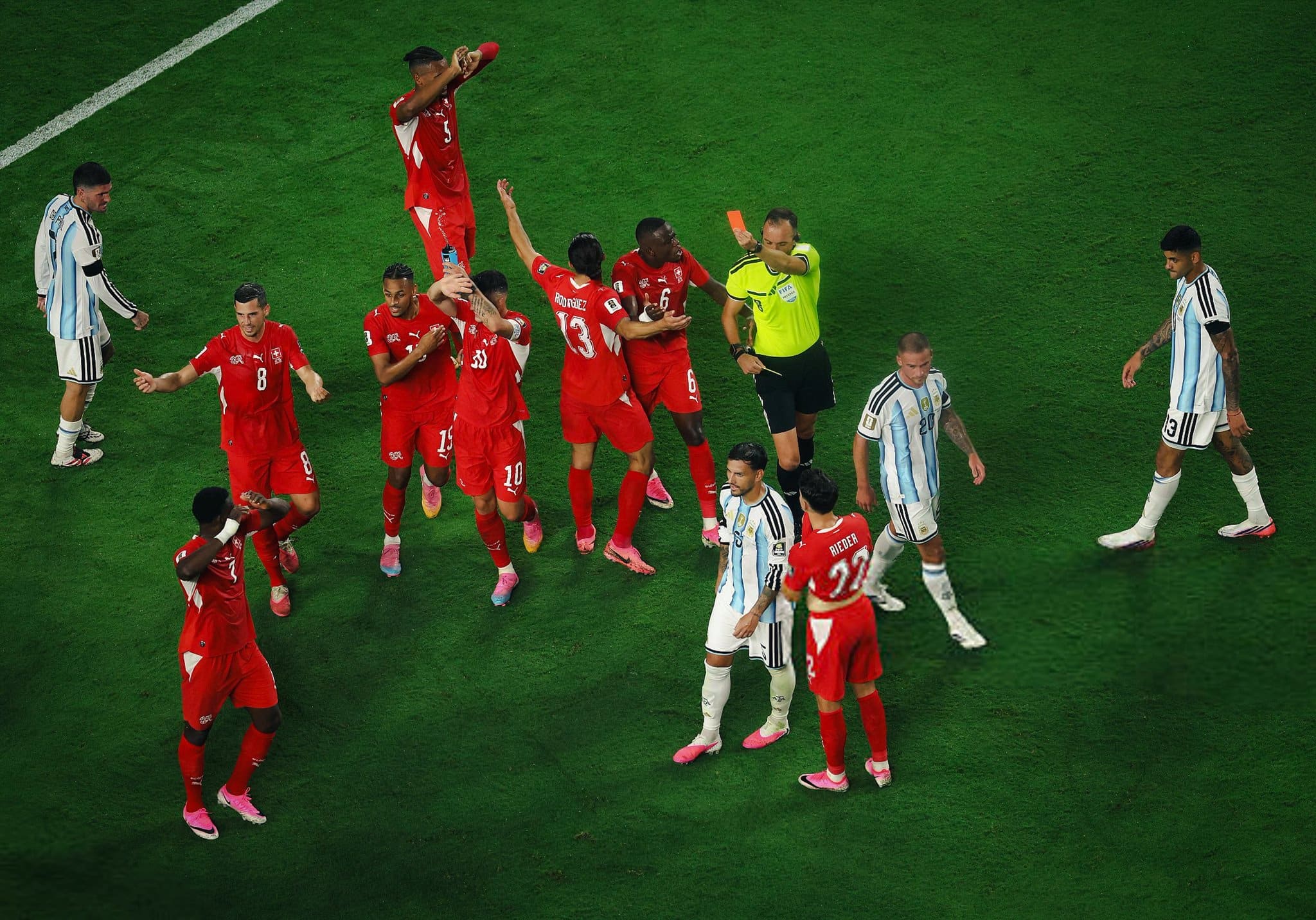
The issue attracted more attention during Switzerland’s quarter‑final loss to Argentina. Breel Embolo, already on a booking, received a second yellow card and was sent off after a VAR review determined he had initiated the contact that led to Leandro Paredes being booked. Switzerland had just equalised at 1‑1 before eventually falling 3‑1 after extra time.
UEFA has now clarified its position. It treats mistaken identity as a factual decision that does not need an on‑field review, whereas turning a foul into a simulation is subjective and requires the referee to consult the pitchside monitor. Consequently, the governing body does not consider simulation to fall under the mistaken identity provision.
About the Author