
Kwankwaso Criticises Presidency Over Remarks on Peter Obi and El‑Rufai
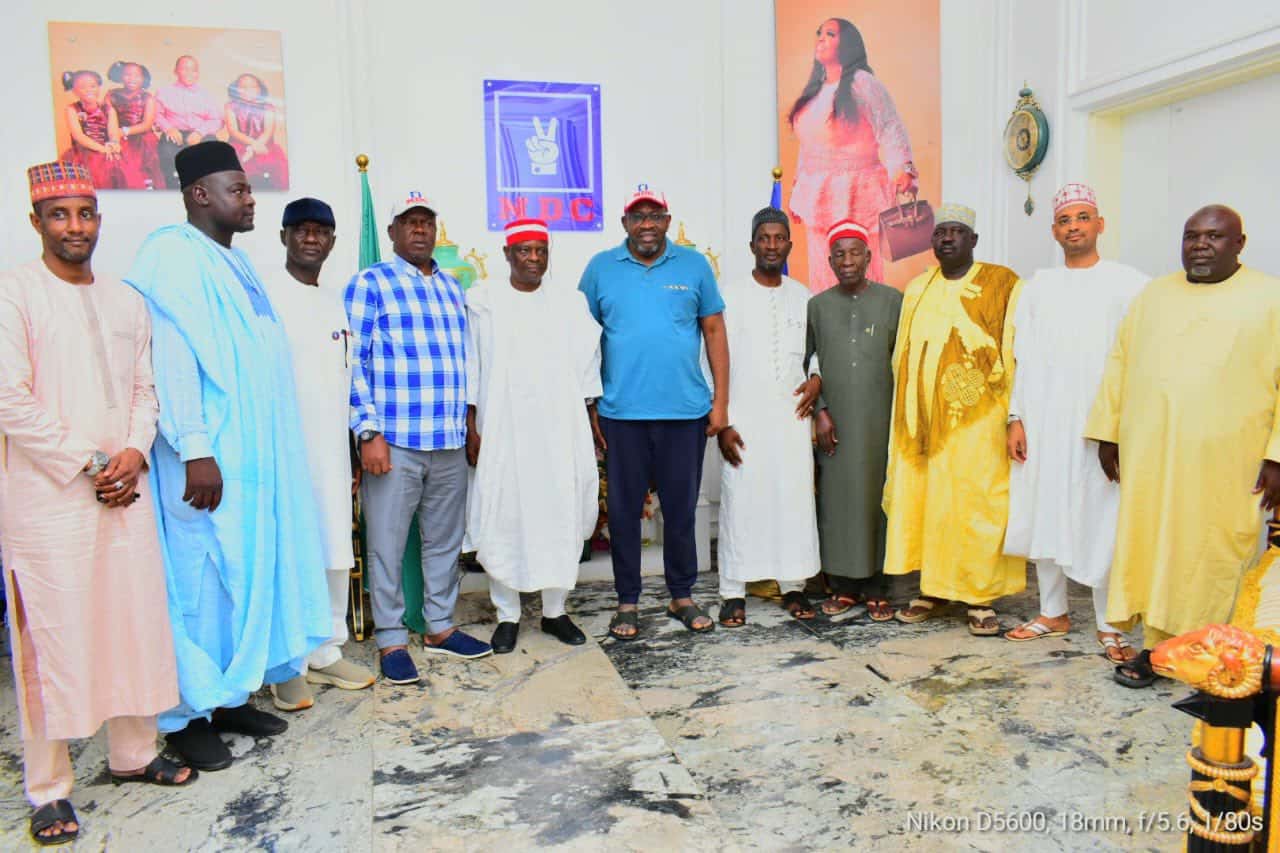
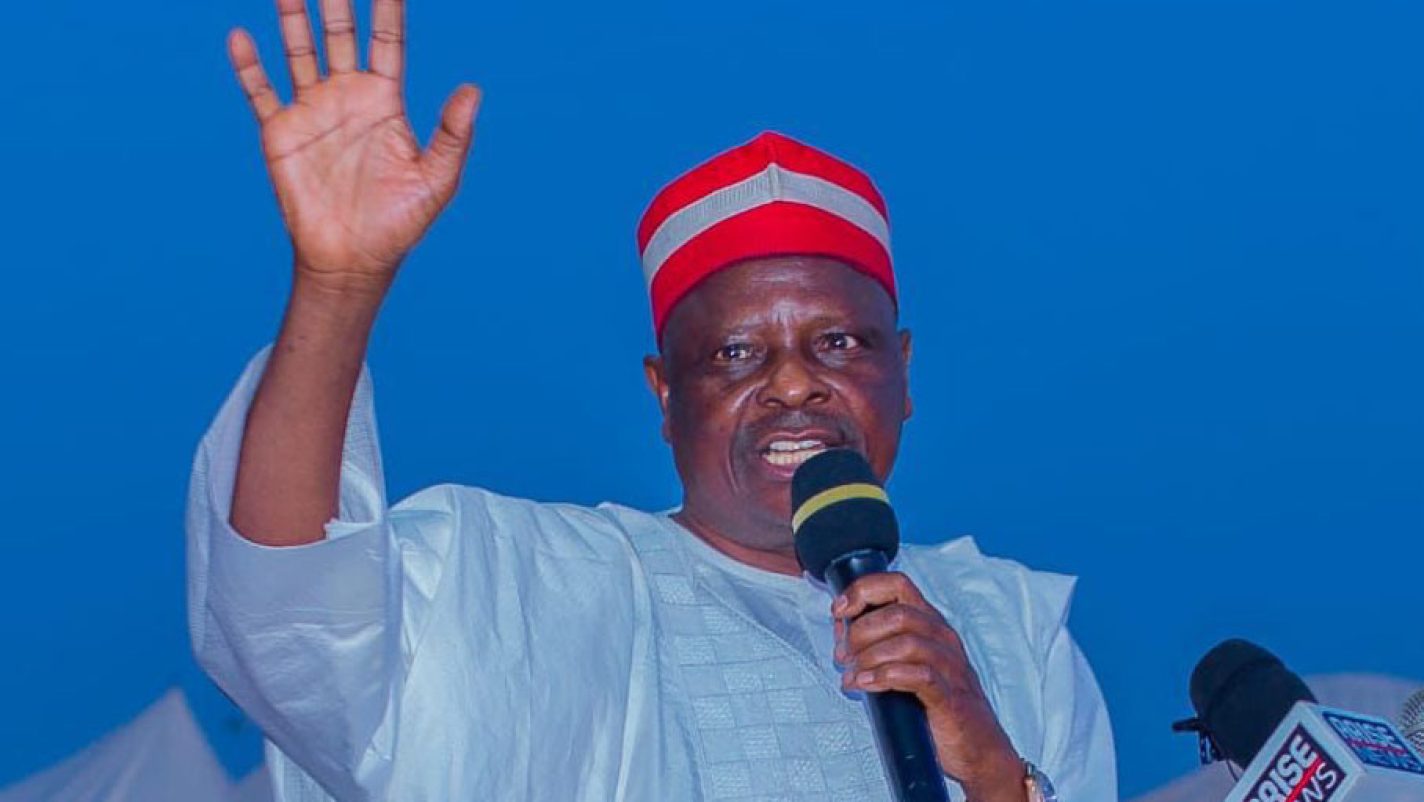
The Vice Presidential candidate of the Nigeria Democratic Congress (NDC), Rabiu Kwankwaso, has denounced the Presidency’s recent statement describing former Anambra Governor Peter Obi as a “serial liar.” He labelled the reaction undemocratic and a source of serious concern.
Kwankwaso’s comments followed a Wednesday night release by Tinubu’s Special Adviser on Information and Strategy, Bayo Onanuga, who dismissed Obi’s claims about being targeted after an airport incident as false, misleading, and aimed at garnering public sympathy. Onanuga also rejected Obi’s suggestion that he might not survive until the January 2027 election and that people were being pressured to avoid inviting him to social gatherings.
In his own statement, Kwankwaso argued that worries about Obi’s personal safety—or that of any Nigerian—should never justify insults or derogatory language from the government. He urged the Presidency to exercise restraint and maturity, emphasizing that democratic leadership demands fairness, justice, and protection for all citizens.
El‑Rufai Family’s Plea for Transparency
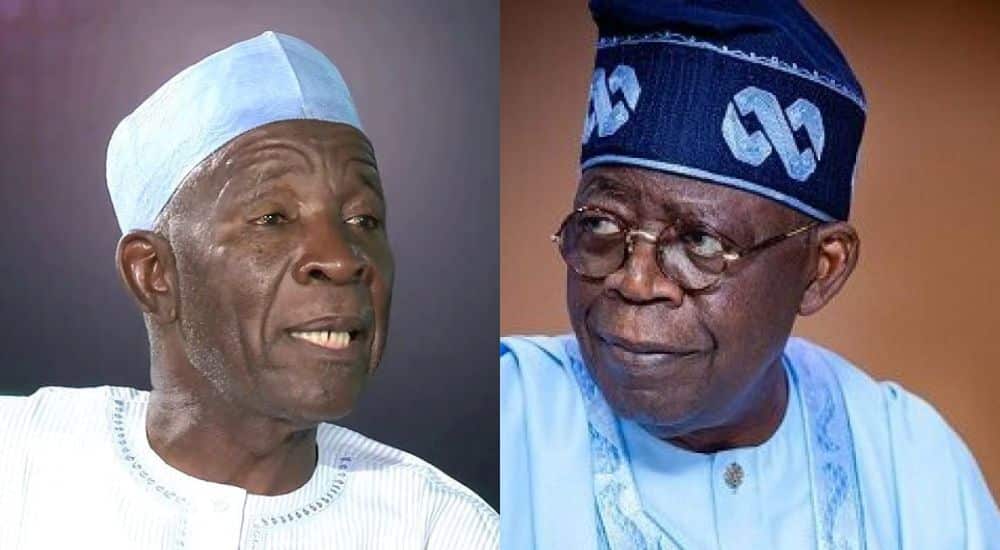
Kwankwaso also addressed the emotional appeal from the wives of former Kaduna State Governor Nasir El‑Rufai, who publicly expressed anguish over his prolonged detention. He stressed that, regardless of political affiliation, El‑Rufai is entitled to due process and the presumption of innocence until proven guilty by a competent court.
The former Kano governor criticised the stringent bail conditions that have delayed El‑Rufai’s release, calling them unreasonable and concerning. He urged the Federal Government to guarantee a fair and expeditious trial while safeguarding the health of El‑Rufai and his family.
“I join well‑meaning Nigerians in urging the Federal Government to handle these matters with transparency, accountability, and justice,” Kwankwaso said. “These issues must not be weaponised to settle political scores. For our democracy to truly thrive, every citizen—young or old, irrespective of ethnicity, religion, or political persuasion—must receive equal and equitable treatment under the law.”