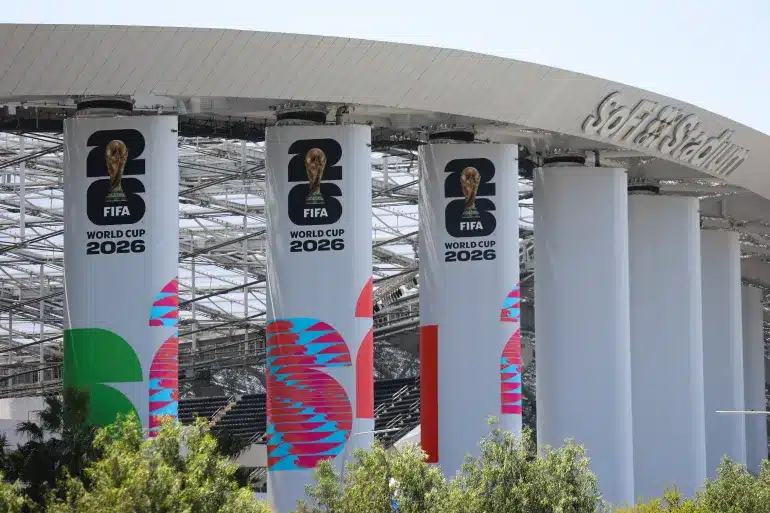
The 2026 FIFA World Cup, expanded to 48 teams across the United States, Canada and Mexico, has turned into a financial windfall for some stakeholders and a costly ordeal for others. FIFA, broadcasters, betting firms and merchandise retailers are reaping the biggest rewards, whereas fans, hotels and many host cities are left counting the expense.
FIFA’s Revenue Surge
FIFA is on track to surpass the $7.6 billion it earned from the 2022 Qatar tournament. According to Marion Laboure, senior strategist at Deutsche Bank Research, the governing body’s income over the current four‑year cycle is nearing $13 billion. This growth stems from higher broadcasting rights, lucrative sponsorship deals, premium hospitality packages, ticket sales, licensing and a 15 percent fee charged on its official ticket resale marketplace.
Broadcasters and Betting Firms Cash In
Television partners have found new advertising inventory in the mandatory hydration breaks introduced during matches. Fox Sports, for example, sold 30‑second spots ranging from $200,000 to $300,000, with prices climbing to as much as $750,000 for high‑profile U.S. games. Laboure noted that these breaks are “pure advertising inventory” and are likely to remain a fixture of future tournaments.
Meanwhile, betting operators are poised for record returns. Macquarie estimates that roughly $50 billion will be wagered throughout the competition. Analyst Chad Beynon explained that the shift to in‑play betting — adjusting wagers based on live action — has replaced the older habit of placing bets only before kickoff.
Merchandise Retailers Enjoy a Boom
Apparel brands have reported soaring sales. Nike said its national‑team shirt sales more than doubled compared with 2022, with England’s kit topping the list. Adidas highlighted Mexico’s jersey as its best‑selling national team product, while JD Sports recorded unprecedented demand for England‑branded gear. Football culture journalist Cee Valentina observed that football shirts have become everyday streetwear, driven by retro designs and customised options.
Former England captain David Beckham also leveraged the tournament to boost his commercial profile through a series of high‑profile advertising campaigns, reinforcing his status as one of football’s leading marketing figures.
Host Cities, Hotels and Fans Feel the Pinch
Despite hosting matches, several cities in the U.S. and Canada reported hotel bookings below forecast levels. Industry bodies argue that the tournament’s long‑term economic impact will be modest. Alexander Budzier, a fellow in management practice at Oxford University, summed it up: “It creates jobs, but it does not create wealth.”
Fans themselves faced steep costs. Ticket prices drew widespread criticism, with the official final ticket priced at $32,970 and some resale listings exceeding $2 million. Add‑on expenses for flights, accommodation, food and local transport further strained supporters’ budgets.
Conclusion
The 2026 FIFA World Cup illustrates a stark divide: while FIFA, broadcasters, betting companies and merchandise sellers reap massive financial gains, the economic benefits for host cities, hotels and everyday fans remain limited or even negative. As the tournament’s format becomes a core part of FIFA’s business model, stakeholders will need to weigh short‑term profits against the broader impact on local communities and supporters.
About the Author