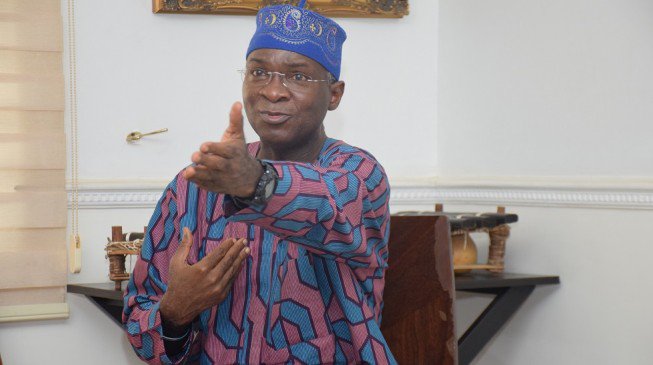
Fashola Urges Nigerians to Rethink Democracy Beyond Elections
Former Lagos State Governor Babatunde Fashola has called on Nigerians to shift their focus from expecting perfect elections to strengthening the country’s democratic institutions and improving electoral processes.
The Reality of Conducting Nationwide Polls
Fashola, who also served as Minister of Works, Housing and Power, pointed out that presidential elections in a large federation like Nigeria involve massive logistical operations. Thousands of polling units must carry out the same process simultaneously, often under varying local conditions.
He noted that such a complex undertaking inevitably produces mistakes or shortcomings. Rather than blaming electoral leaders for every failure, citizens should ask how the system can be improved.
Lessons from Mature Democracies
The former governor observed that electoral imperfections are not unique to Nigeria. Older democracies also experience flaws in their voting processes, but they accept these imperfections, learn from them, and continuously work to strengthen their institutions.
“In other jurisdictions, they accept these imperfections and aspire to improve, but they also accept the results,” Fashola said.
The Importance of Accepting Election Outcomes
Fashola expressed concern over the growing tendency of some political actors to reject election results after losing. He warned that this behavior hinders democratic growth and weakens the constructive role of the opposition.
He added that democracy does not end with victory or defeat at the polls. Unsuccessful candidates and opposition parties have vital responsibilities — holding the government accountable, proposing alternative policies, and contributing to societal development.
Building Strong Democratic Institutions
According to Fashola, democratic maturity should be measured by more than just the conduct of elections. It depends on the strength of institutions, respect for the rule of law, accountability in governance, and the behavior of political actors after elections.
He stressed that democracy thrives only when institutions are protected, strengthened, and allowed to perform their duties without interference from political interests. Citizens, leaders, and parties must continue to support systems that promote fairness, stability, and accountability.
A Continuing Conversation on Nigeria’s Democratic Future
Fashola’s remarks were part of broader discussions at The Platform on Nigeria’s democracy, governance, accountability, and the shared responsibilities of leaders and citizens in sustaining democratic institutions.
While elections remain a fundamental pillar of democracy, the true test of democratic progress lies in the ability of institutions and citizens to uphold democratic values long after the ballots have been counted.
About the Author