
Veteran Actor Kola Oyewo Laid to Rest in Osun State: Three-Day Burial Rites Announced
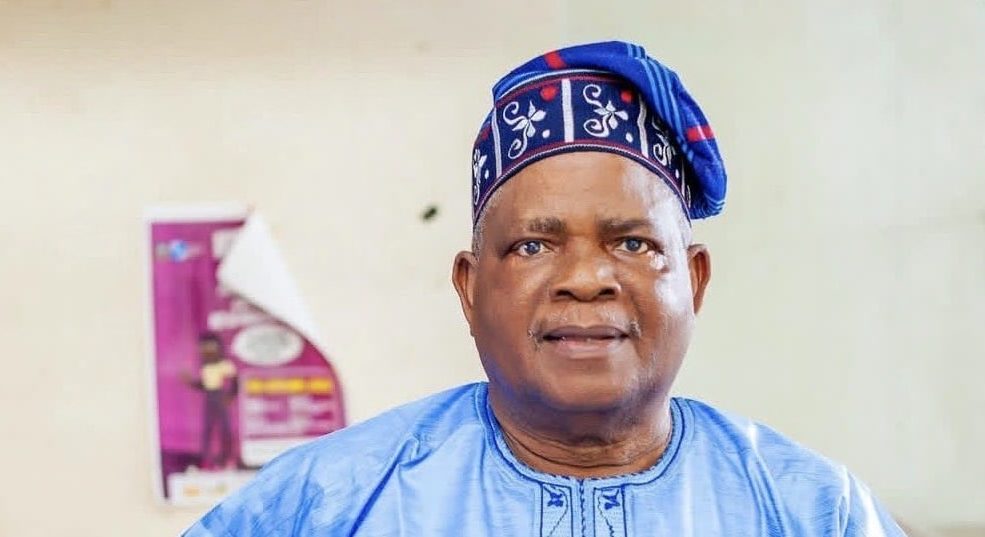
The remains of celebrated Nigerian actor and theatre scholar Chief Dr Adekola Gabriel Oyewo, popularly known as Kola Oyewo, will be laid to rest on Friday, August 7, 2026, in Osun State. The family disclosed the funeral programme in a statement released on Saturday.
Oyewo, who passed away at the age of 80, was widely regarded as one of Nigeria’s foremost theatre practitioners, with a distinguished career spanning stage, television, and academia.
Family Tribute
The Bangbola Oyewo family of the Ese-Ola Royal House, Oba-Ile, described the late actor as “a beloved father, father-in-law, grandfather, great-grandfather, uncle, colleague, esteemed traditional ruler, and a veteran of the Nigerian theatre.”
They added, “With gratitude to God for a life of purpose, honour and enduring impact, the entire Bangbola Oyewo family announces the passing of our beloved father, father-in-law, grandfather, great-grandfather, uncle, colleague, esteemed traditional ruler and veteran of the Nigerian theatre.”
Burial Rites Schedule
Activities commence on Wednesday, August 5, with a wake-keep and service of songs at St Mary’s Catholic Church, Igboya, Ile-Ife.
On Thursday, August 6, a commendation mass will be held at the same church, followed by an artistes’ night featuring tributes and cultural performances at Oduduwa Hall, Obafemi Awolowo University, Ile-Ife.
An exhibition of Oyewo’s works and photographs will be hosted at the Pit Theatre in the African Studies Building, Obafemi Awolowo University, running from Thursday, August 6 through Friday, August 7.
The funeral cortege will depart the late actor’s residence at Ese Ola’s Compound, Oba-Ile, on Friday morning for a requiem mass at St Joseph Catholic Church, Oba-Ile. Interment follows at 12:45 p.m. at Labaluyegbe Villa, Oba-Ile, limited to family members and close associates.
A reception for guests will thereafter be held at Aderonmu Grammar School Field, Oba-Ile.
Kola Oyewo earned widespread recognition for his contributions to the growth of theatre arts in Nigeria, inspiring generations of actors, playwrights, and scholars through his work in performance, teaching, and cultural preservation. His death marks the end of an era in Nigeria’s theatre community, where he remained a respected voice and mentor for decades.