Kwara APC Crisis Deepens as Chieftain Defends Danladi’s Governorship Ticket
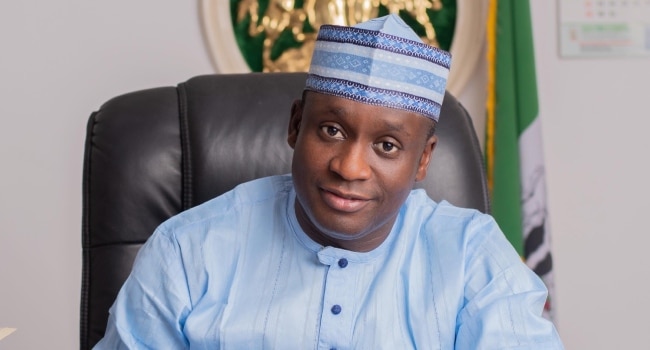
The crisis within Kwara State’s All Progressives Congress has intensified after a party chieftain and public affairs analyst, Musa Idris Buko, spoke on Arise Television’s The Morning Show to defend the emergence of Speaker Salihu Yakubu‑Danladi as the APC’s governorship candidate for 2027.
Buko rejected suggestions that the state had entered a “mourning period” following Danladi’s nomination, insisting that the primary result reflected a broader demand for political inclusion, fairness and justice across the three senatorial districts.
He noted that Kwara North, despite being the second‑largest population group, the largest landmass and the economic backbone of the state, has been largely excluded from the governorship seat, with Kwara Central holding it for nearly 20 years and Kwara South for eight years.
Buko added that Kwara North had only briefly held the governorship for about 22 months before a military coup ended that administration, reinforcing the argument that a power shift is long overdue.
Describing the push for a northern governor as a “people’s movement,” he said it enjoys backing from political leaders, traditional rulers, artisans and various stakeholders throughout Kwara.
On the primary itself, Buko said the May 22 vote was democratic and produced a clear winner, attributing the backlash to four groups: supporters of the One Kwara Project 2027, sectional supremacists, gerontocrats, and those with a “rocking the boat” mindset.
He asserted that the majority of Kwarans across all districts are satisfied with the outcome and praised President Bola Tinubu, APC leadership and Governor AbdulRazaq for allowing democratic inclusion for a historically marginalised region.
Addressing the way forward, Buko urged aggrieved aspirants to accept party supremacy, work for unity and noted that with 35 elective positions and over 160 aspirants, compromise is essential.
He appealed to the President, the governor and the national APC leadership to intervene and reconcile dissatisfied members, stressing that the party needs everyone ahead of the 2027 election.
Buko characterised Danladi’s emergence as a generational shift, pointing out that the Speaker is just over 41 years old and possesses grassroots appeal, electoral value and proven political strength from previous contests.
Responding to claims of imposition, Buko said post‑election petitions are normal and urged the President and governor to carry along dissatisfied stakeholders, while accusing some critics of trying to destabilise the party because their favoured candidate lost.
The interview also turned to insecurity in Kwara, with Buko citing factors such as the state’s large landmass, international borders, national parks and broader global conflicts, and emphasising that security requires combined efforts from federal and state institutions, the judiciary, legislature, media and citizens.
About the Author