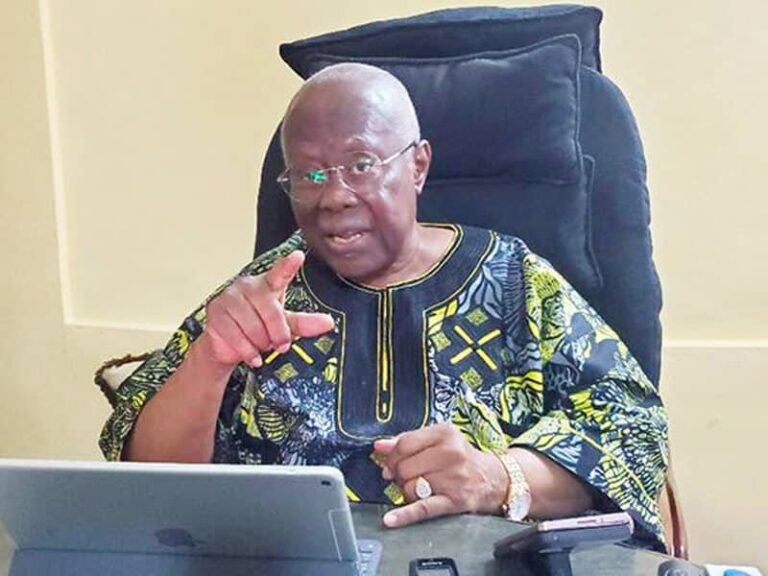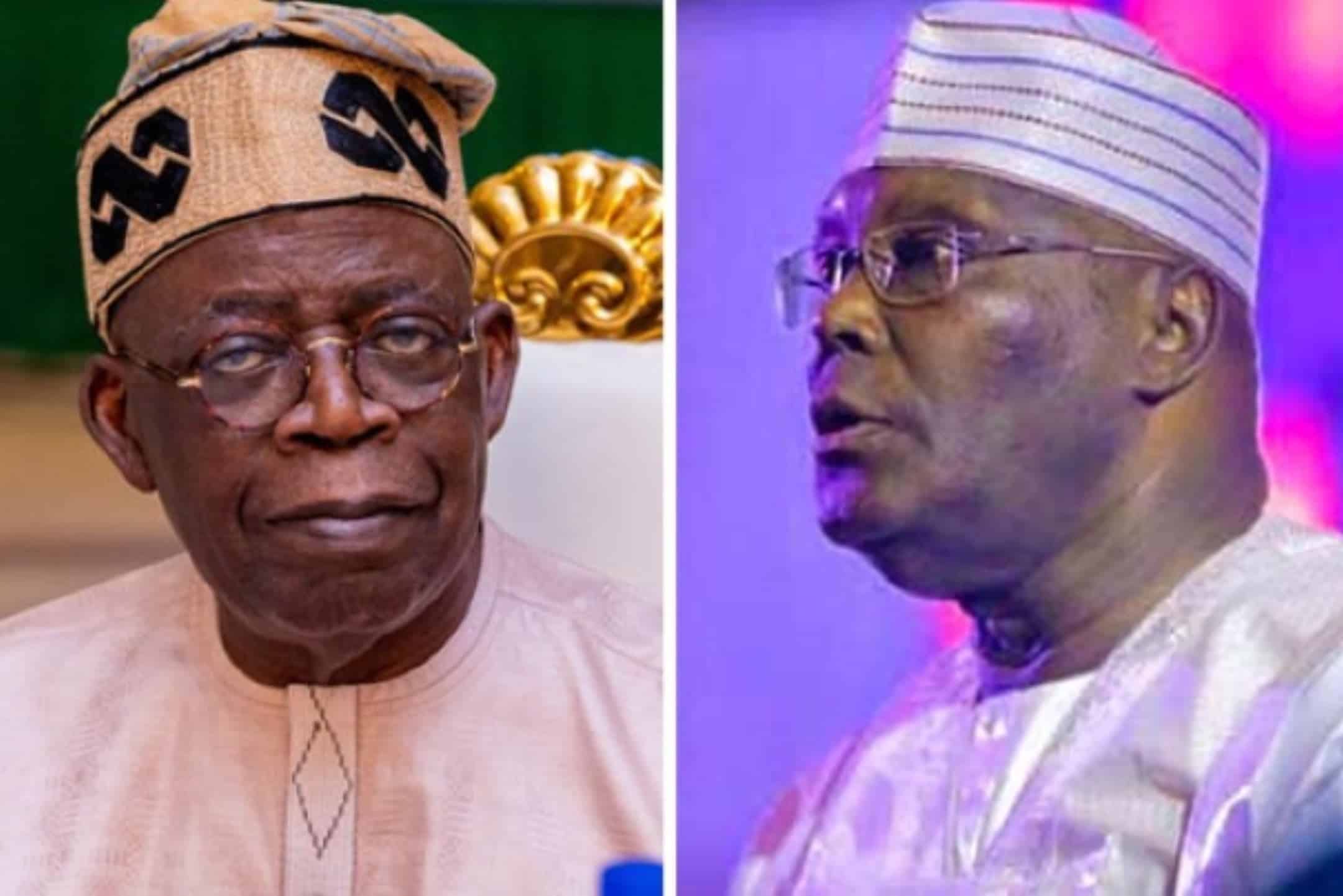
A former presidential aide, Laolu Akande, has stated that President Bola Tinubu and former Vice President Atiku Abubakar each carry considerable corruption baggage, suggesting that neither side stands to gain much politically by resurfacing old controversies as the 2027 general election approaches.
Akande Highlights Mutual Corruption Baggage
Akande remarked that when Tinubu and Atiku are compared on corruption questions, both individuals have enough “baggage” that reviving past allegations would not benefit either camp. He noted that years of public and legal scrutiny have eroded any realistic claim to the moral high ground on this issue.
Limited Impact of Recycled Allegations
The former presidential spokesman was responding to efforts by Atiku’s supporters to recirculate documents related to Tinubu’s decades‑old U.S. forfeiture case linked to alleged narcotics proceeds. Akande argued that the matter has already been litigated, re‑litigated and extensively debated, making it unlikely to shift voter perceptions unless new evidence emerges.
Potential Counter‑Attacks from APC
Akande warned that the ruling All Progressives Congress (APC) could retaliate by revisiting allegations previously associated with Atiku if the 2027 campaign becomes dominated by corruption accusations. However, he downplayed the Halliburton bribery scandal as a strong attack point, noting that the strongest case in that affair was even against former President Olusegun Obasanjo.
Instead, Akande pointed to the corruption case involving former U.S. Congressman William Jefferson, who allegedly gave Atiku $100,000 that was later found in his fridge, as a more potent piece of evidence that could feature in future political exchanges.
Voter Priorities Ahead of 2027
Akande maintained that voters are likely to place greater emphasis on candidates’ track records, policy proposals, and their ability to address Nigeria’s economic and security challenges. Unless fresh evidence surfaces, repeatedly recycling old allegations against either Tinubu or Atiku is unlikely to substantially alter the political landscape before the next election.
About the Author