Falz Clarifies His Stance on Political Endorsements
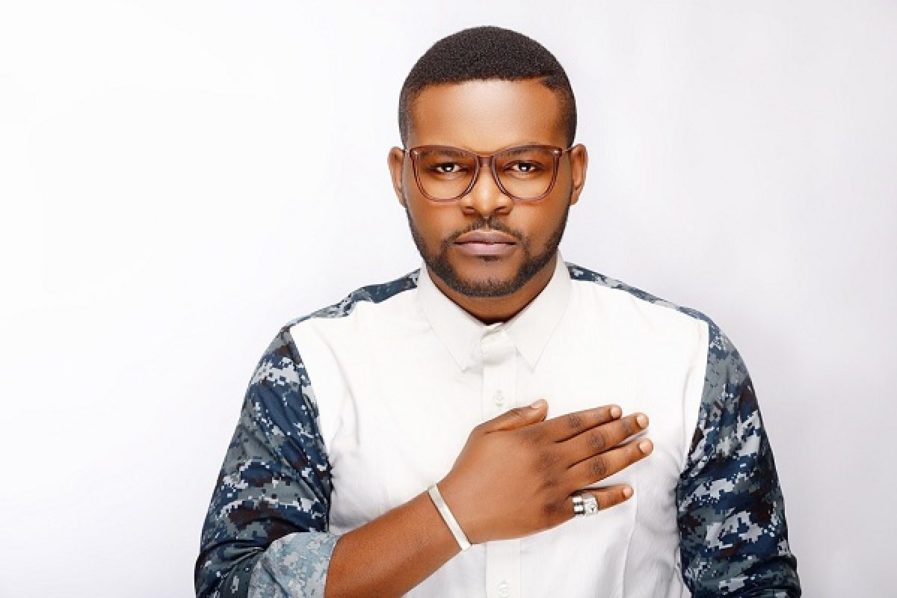
Popular Nigerian rapper and activist Folarin Falana, widely known as Falz, has made it clear that he has never publicly endorsed any politician or political party.
He explained that his advocacy has always centered on encouraging Nigerians to take part in elections, urging citizens to register, collect their Permanent Voter Cards (PVCs) and cast their votes.
“Just a point of correction: I’ve never, in 2023 or at any point, openly supported any politician or political party. I’ve only actively encouraged people to go out to vote and make their intentions known,” he said.
Falz added that his motivation is to see Nigeria develop a stronger democracy through credible elections and increased voter participation.
The rapper criticised the country’s political class for constantly recycling the same faces, which makes it difficult for him to trust any politician enough to give a public endorsement.
“We’ve been going in cycles, and it just seems like almost the same crop of people we keep on reshuffling. At the end of the day, it’s tough to even sit anywhere and vouch for a Nigerian politician in 2026,” he remarked.
However, Falz did not rule out the possibility of endorsing a candidate in the future, saying he would reconsider if he encountered a politician whose character, competence and vision convinced him beyond doubt.
“If I see someone that I feel 100 percent is the one, maybe I would. But as it stands, I’m just trying to be cautious. I’m trying not to outrightly stick out my neck for anyone,” he added.
He also pushed back against the notion that individual votes do not matter, pointing out that the large sums politicians allegedly spend on vote‑buying prove the opposite.
Falz urged young Nigerians not to give up on the electoral process, stressing that higher turnout makes it harder for politicians to manipulate outcomes.
The activist called for the full adoption of live electronic transmission of election results to boost transparency and public confidence in Nigeria’s electoral system.
He questioned why the country has not embraced real‑time result transmission despite the significant funds allocated to conducting elections, arguing that technology should be used to reduce manipulation.
Falz said the lessons from the 2023 elections should guide future efforts, emphasizing that a massive voter turnout would make electoral fraud far more difficult.
“If there is an overwhelming majority, it would be incredibly difficult for them to cheat that,” he concluded.
About the Author