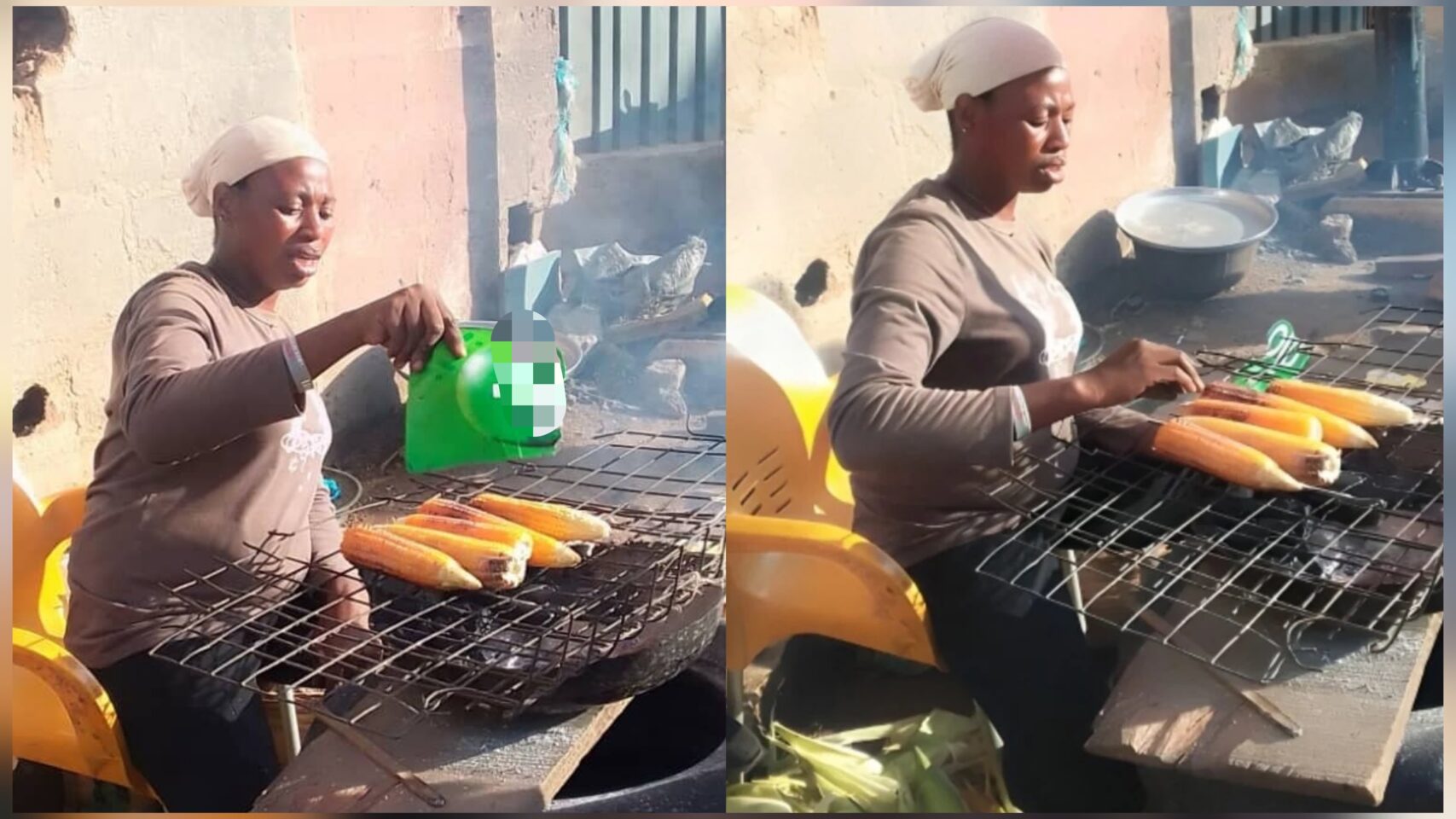
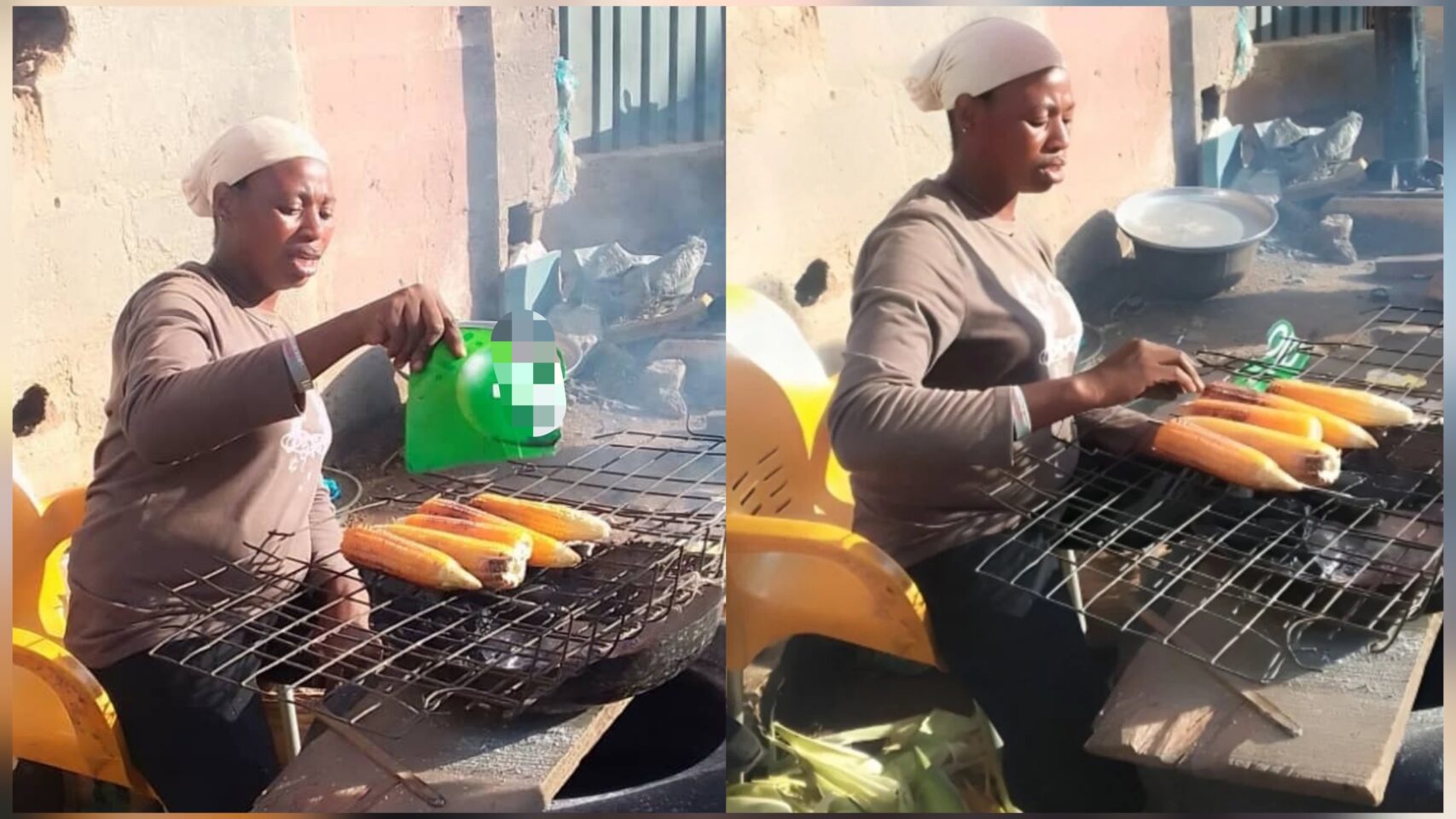
A street‑side roasted corn seller in Ibadan, Mrs. Lateef Rukayat, explains how leaving hairdressing for the roasted corn trade boosted her family’s finances, now bringing in roughly ₦750,000 each month and allowing her to put two of her six children through tertiary education.
In a chat with Tribune On The Street, Rukayat said she quit hairstyling when demand dwindled.
She added that launching the roasted corn venture in 2021 has helped her sustain her household amid Nigeria’s economic hardships.
Transition from Hairdressing to Roasted Corn
Rukayat described hairstyling as her original career and a long‑held aspiration, but she needed a new income source when it stopped paying enough. She recalled, “Hairstyling is my hard‑earned craft; it was my early dream job, and I felt free after finishing training.” She continued, “I began roasting corn when my salon was quiet. All my children attend school, with two currently in university.”
She revealed that she kick‑started the corn business in January 2021 using funds obtained from a local lending circle called “Network.” Although the loan carried interest, it supplied the capital for her first sack of corn.
Increasing Costs Pose Challenges
Rukayat rejected the notion that selling roasted corn needs little money, pointing out that inflation has driven up expenses. She noted that besides purchasing corn, vendors must cover transport, charcoal, and packaging, which raises the barrier to entry. She also mentioned that corn prices have fluctuated since she started, complicating budget planning.
Daily Earnings Fund Education
She shared her figures: investing ₦20,000 in corn typically yields daily takings between ₦25,000 and ₦27,000, with the surplus supporting her children’s schooling. She said, “By God’s grace, when I borrow ₦20,000 to buy corn, I usually make ₦25,000–₦27,000 a day. I set aside part of that profit to help pay for my children’s education.”
However, she warned that the trade is risky because roasted corn must be sold fresh; leftovers lose flavour quickly, making next‑day sales tough. She recalled a spell when rising costs pushed her to raise the price from ₦200 to ₦400, but the move backfired as buyers disappeared, leaving her with minimal or no profit.
Call for Government Assistance
Rukayat stressed that she has never received any state grant or aid. She urged authorities to introduce policies that lower commodity costs and offer financial backing to small‑scale traders. Such steps, she argued, would help entrepreneurs keep their businesses afloat while providing for their families.
About the Author