Crude Oil Prices Drop as US‑Iran Talks Show Progress
On Monday, June 22, crude oil prices slipped as investors reacted positively to signs of advancement in US‑Iran negotiations, with mediators outlining a roadmap toward a final agreement.
The news alleviated worries about possible disruptions in the Middle East, especially around the Strait of Hormuz, a vital corridor for about one‑fifth of global oil and gas shipments.
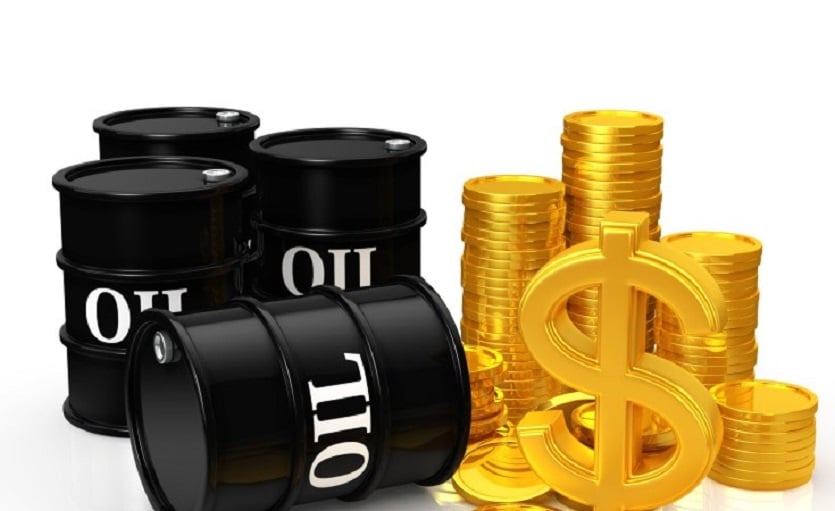
Both major benchmarks declined during Asian afternoon trading; Brent crude fell over 1 %, while West Texas Intermediate (WTI) slipped 0.6 % to $75.37 per barrel and Brent dropped 1.7 % to $79.19 per barrel.
The talks actually commenced on Sunday in Switzerland, led by US Vice‑President JD Vance and Iran’s Mohammad Bagher Ghalibaf.
Earlier, there had been concern after reports indicated Iran might withdraw from the dialogue following US President Donald Trump’s warning of additional strikes if Hezbollah persisted in attacking Israel.
Mediators from Pakistan and Qatar later said the discussions took place in a “positive and constructive atmosphere”.
Market sentiment improved after Qatar and Pakistan announced progress in the negotiations, which aim to address Tehran’s nuclear programme and reopen the Strait of Hormuz.
The mediators noted that the United States and Iran agreed to set up a communication line to prevent incidents in the strategic waterway.
They also said the High‑Level Committee had adopted a roadmap targeting a final deal within 60 days, paving the way for immediate technical talks.
Iranian Foreign Minister Abbas Araghchi posted on X that mediation had delivered major progress toward ending the Lebanon War.
Stock markets showed mixed reactions after a generally positive start. Tokyo, Seoul and Taipei rose, buoyed by strong tech stocks; Shanghai, Mumbai and Bangkok also gained.
Conversely, Hong Kong, Sydney, Singapore, Wellington, Manila and Jakarta fell.
In Europe, London, Paris and Frankfurt opened higher.
Analyst Skye Masters of National Australia Bank warned that, despite the upbeat response to cease‑fire rumors, the Middle East situation remains fragile, urging a cautious start to the week.
Masters added that the dollar is likely to stay supported, oil prices could swing either way, but current levels suggest a bias toward an upward move.
Sterling remained under pressure after a sell‑off following a UK Labour by‑election win for Andy Burnham, fuelling speculation he might replace Prime Minister Keir Starmer, who faces pressure from Labour MPs.
The Guardian reported that Starmer is expected to announce his resignation on Monday after overwhelming Labour pressure to make way for Burnham.
Investors worry Burnham could introduce new spending plans that would exacerbate the UK’s already large debt burden.
Index movements: Tokyo’s Nikkei 225 rose 1.6 % to 72,353.96; Hong Kong’s Hang Seng slipped 0.4 % to 23,822.25.
Shanghai’s Composite climbed 1.8 % to 4,163.10; Seoul’s Kospi gained 0.7 % to 9,114.55.
London’s FTSE 100 edged up 0.1 % to 10,368.72.
In currency markets, the euro fell to $1.1457 from $1.1464, the pound dropped to $1.3210 from $1.3218, the dollar rose to 161.72 yen from 161.27 yen, and the euro slipped to 86.72 pence from 86.73 pence.
About the Author