Fuel prices may drop in the coming days if global crude oil prices continue to fall following ongoing peace talks between the United States and Iran.
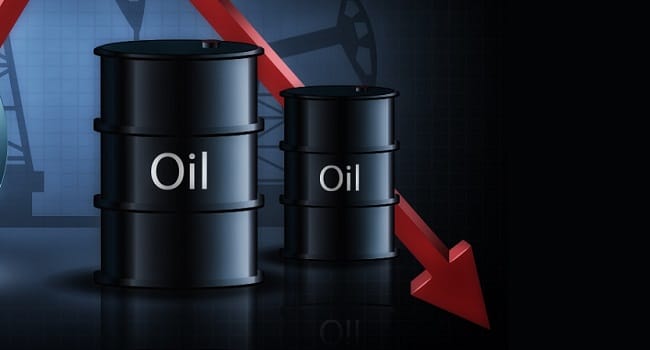
Oil prices fell sharply on Monday morning, slipping from $111 a barrel last week to $97.48, as optimism grew that diplomatic efforts could lead to the reopening of the Strait of Hormuz.
The decline has raised expectations that petrol, diesel and aviation fuel prices may ease if the downward trend continues.
Background on the Oil Price Surge
Before the US‑Iran crisis began on 28 February, crude traded below $70 per barrel. Within three months, prices rose above $100 and even crossed $115 at times, driving up fuel costs worldwide.
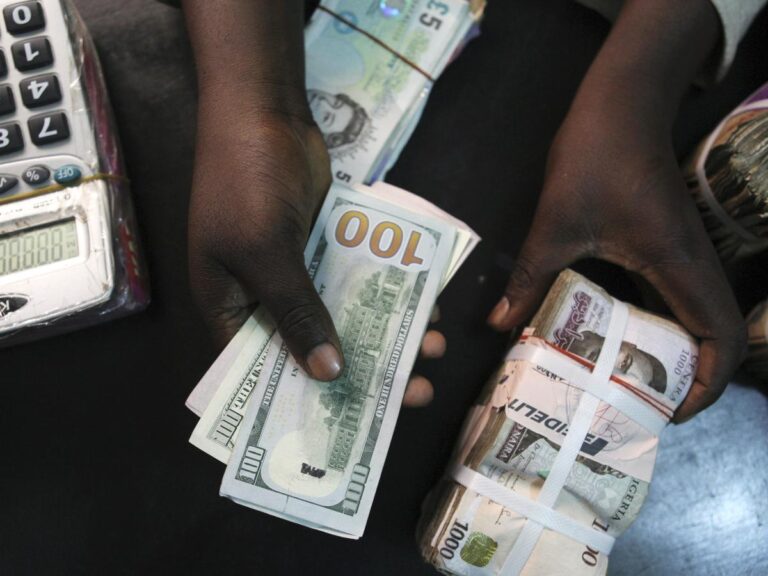
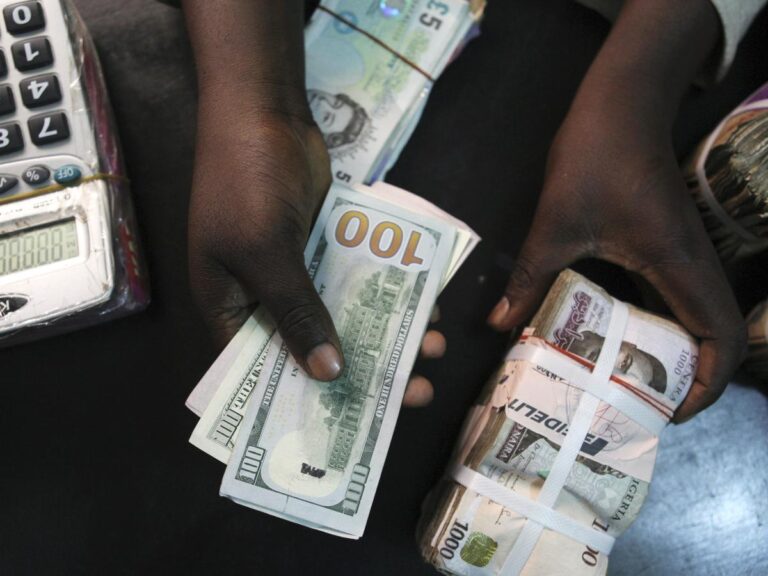
In Nigeria, petrol jumped from ₦830 to about ₦1,300 per litre. Diesel and aviation fuel also surged, prompting airline operators to threaten service suspensions over rising expenses.
Potential Impact on Nigeria
As crude prices retreated, speculation mounted that the Dangote Petroleum Refinery might consider lowering petrol prices. Industry analysts said a sustained drop in crude could reduce production costs and import‑parity pricing, easing pressure on domestic fuel rates.
However, any immediate reduction would hinge on several factors, including crude supply costs, foreign‑exchange stability, logistics, refinery pricing decisions and market competition.
Developments in US‑Iran Negotiations
Reports indicate that the United States and Iran have agreed in principle to a deal aimed at winding down the Middle East conflict and reopening the Strait of Hormuz.
US President Donald Trump announced on Saturday that the waterway would be reopened as part of a proposed agreement involving the US, Iran and several Middle Eastern nations. He shared the update on Truth Social after calls with leaders from Saudi Arabia, the UAE, Qatar, Pakistan, Türkiye, Egypt, Jordan, Bahrain and Israel.
Trump said the agreement had been negotiated but still required finalisation among the involved parties, with details expected to be announced shortly. On Sunday he described the talks as “proceeding in an orderly and constructive manner” and urged his representatives not to rush a deal.
Iran confirmed on Monday that discussions were progressing, though it cautioned that a deal was not yet imminent. Foreign ministry spokesman Esmail Baqai noted that while progress had been made on many issues, it was too early to claim an agreement was ready for signing.
The reported memorandum of understanding includes a 60‑day ceasefire extension, the reopening of the Strait of Hormuz and a framework for further negotiations on Iran’s nuclear programme. If implemented, the deal could ease global oil supply pressures and push crude prices lower.
Outlook for Consumers
For Nigeria, a sustained fall in oil prices could bring relief to consumers who have faced high petrol, diesel and aviation fuel costs since the escalation of the Middle East conflict. Nevertheless, any pump‑price reduction will not be automatic; domestic pricing will still depend on market conditions, exchange‑rate stability and decisions by fuel suppliers.
About the Author