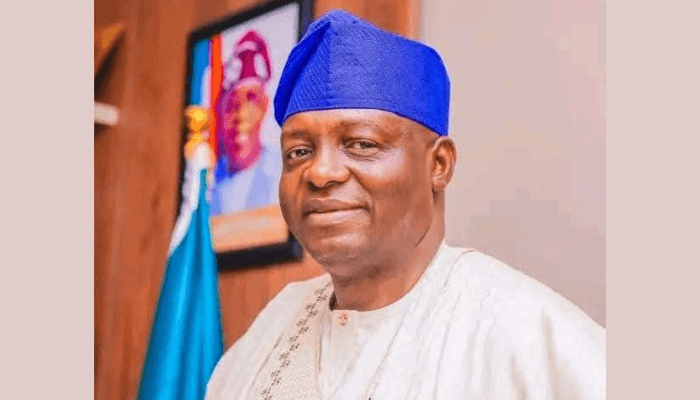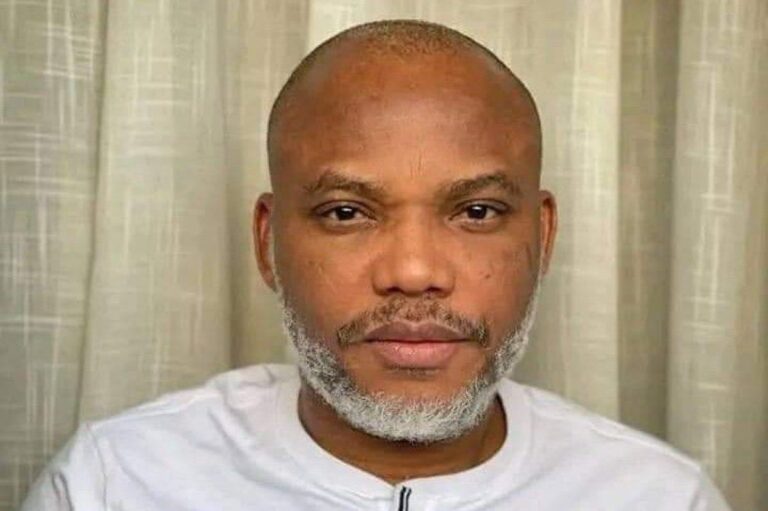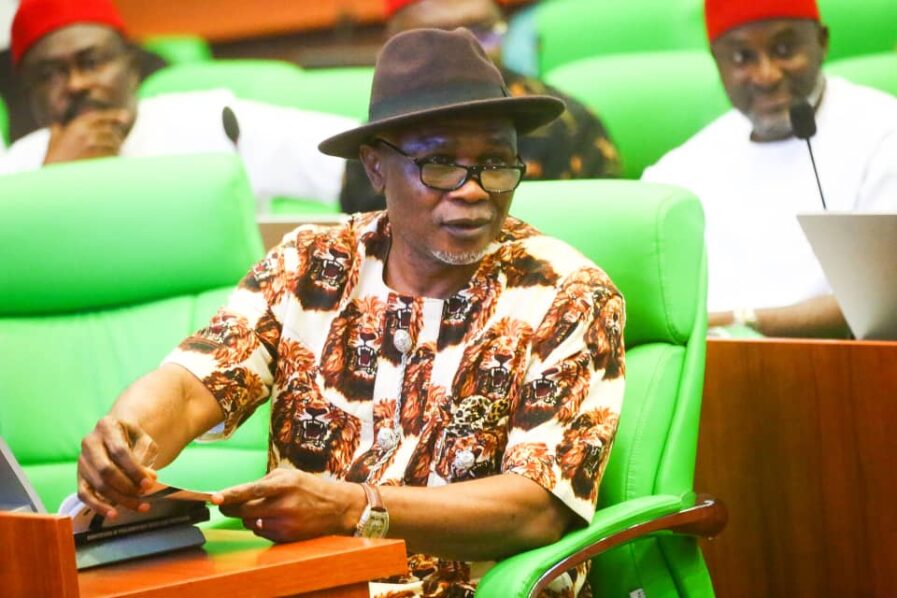
A group of lawyers has approached the Federal High Court in Abuja, requesting an order to prevent the All Progressives Congress (APC) governorship candidate for Rivers State, Kingsley Chinda, from participating in the 2027 election.
The application has intensified the political climate in the state, raising fresh questions about Chinda’s eligibility.
Background of the Candidacy
Chinda emerged as the sole APC aspirant after other contenders—including incumbent Governor Siminalayi Fubara, Tonye Cole, and Alabo Dakorinama George-Kelly—withdrew at the last minute. He is widely regarded as an ally of the Minister of the Federal Capital Territory, Nyesom Wike.
However, his candidacy has sparked controversy because he continues to hold the position of Minority Leader in the House of Representatives, a role tied to his membership in the Peoples Democratic Party (PDP).
Details of the Legal Suit
The Incorporated Trustees of the Association of Legislative Drafting and Advocacy Practitioners filed the suit on May 12, 2026, through counsel J. B. Lamay, Esq. The plaintiffs, some of whom hail from Chinda’s Obio/Akpor Federal Constituency, argue that his alleged defection from the PDP to the APC violates the Electoral Act 2026 (as amended) and existing judicial rulings on lawmaker defections.
The suit names Chinda, George-Kelly, the Independent National Electoral Commission, the Speaker of the House of Representatives, the APC, the Department of State Services, and the Attorney‑General of the Federation and Minister of Justice as respondents.
Reliefs Sought by the Plaintiffs
The lawyers initially sought to restrain Chinda from participating in the APC governorship primary. They also asked the court to bar him from the general election should he emerge as the party’s candidate.
Additionally, the plaintiffs request that the Speaker of the House of Representatives be directed to remove Chinda as Minority Leader, declare his legislative seat vacant, and order INEC to conduct a by‑election to fill the vacancy.
The suit is grounded in Section 68(1)(g) of the 1999 Constitution and a Supreme Court judgment delivered on February 27, 2025, which outlines the procedure for legislative defections.
The plaintiffs also urge the court to instruct the APC’s national leadership to reject and prevent both Chinda and George‑Kelly from contesting the Rivers State governorship primary.
Allegations Against George‑Kelly
In the case of George‑Kelly, the plaintiffs claim he failed to resign as Director‑General of the Border Communities Development Agency, contrary to a directive requiring presidential appointees seeking elective office in the 2027 elections to step down by March 30, 2026. George‑Kelly later withdrew from the primary, leaving Chinda as the APC’s sole candidate.
An affidavit filed by Jesse Amuga, Administrative Secretary of the Association of Legislative Drafting and Advocacy Practitioners, asserts that Chinda’s continued occupancy of his legislative seat while engaging in APC governorship activities is unconstitutional, unlawful, and contrary to democratic ethics.
Political Implications
The lawsuit adds another layer to the mounting political tension in Rivers State ahead of the 2027 governorship election. Chinda’s emergence as the APC candidate occurred amid intense political realignments and the sustained influence of Wike’s allies within the state’s political structure.
The Federal High Court has yet to announce a hearing date. Its decision will determine whether Chinda’s alleged movement from the PDP to the APC, while retaining his House of Representatives seat and Minority Leader position, can withstand legal scrutiny.
About the Author