APC Crisis Intensifies in Bauchi
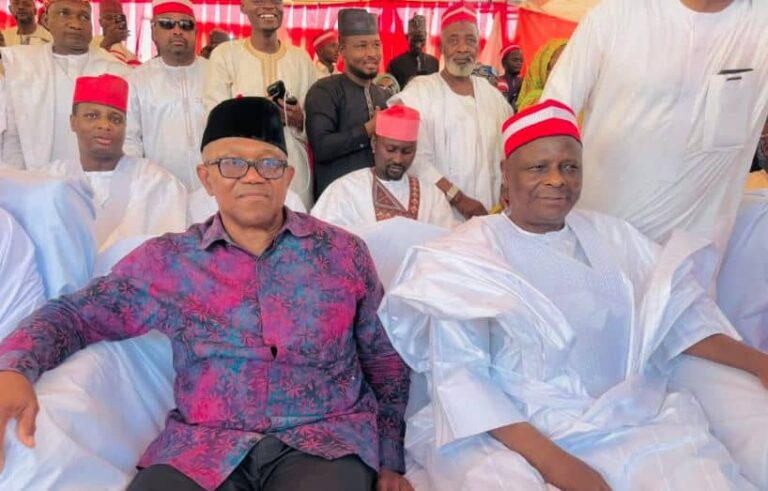
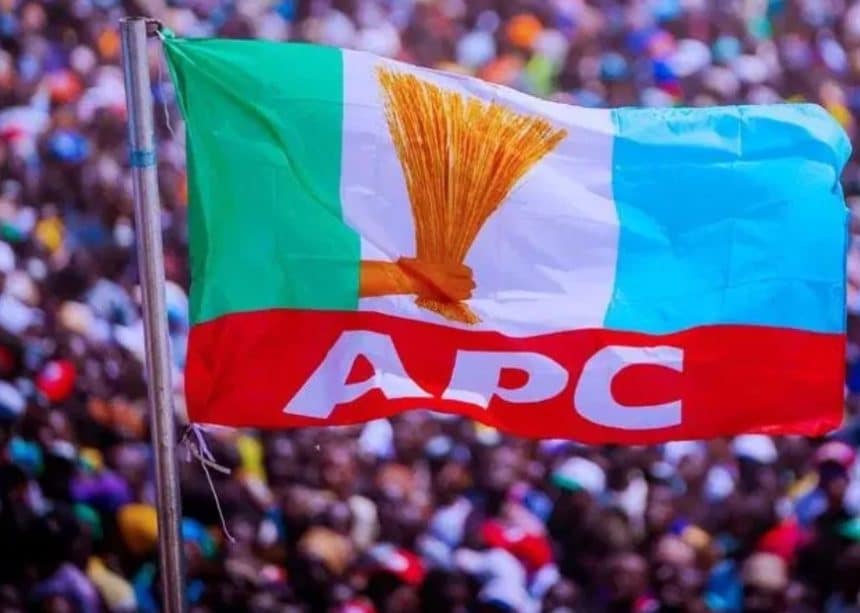
The All Progressives Congress (APC) in Bauchi State is facing a deepening crisis as several prominent lawmakers abandon the party for the People’s Redemption Party (PRP).
Key Defections Announced
Senator Shehu Buba Umar, representing Bauchi South, announced his resignation on Sunday, May 24, 2026, citing a lack of internal democracy and marginalisation of genuine members. He joined the PRP after extensive consultations with youths, women groups and stakeholders across the district.
Shortly after, Senator Samaila Kaila Dahuwa of Bauchi North also quit the APC after losing his return ticket, moving to the PRP. House of Representatives member Rabilu Bala Kashuri from Jama’are/Itas‑Gadau Federal Constituency followed suit, citing the same concerns.
Former APC Candidates Join the Exodus
Former deputy governorship candidate Shehu Aliyu Musa, who had contested for the APC ticket in Bauchi South Senatorial District, resigned from the party, blaming “lack of purposeful leadership, unfair treatment of party members and lack of cohesion among leaders.” His resignation was communicated in a letter to his ward chairman.
Additional exits include former Majority Leader of the Bauchi State House of Assembly Tijjani Mohammed Aliyu, traditional title holder Abubakar Dahuwa Abdulkadir (Sarkin Yamman Katagum), and aspirants Sulaiman Sunusi Lalaye and Rabi’u Abubakar Bishi, all of whom alleged that the 2026 primaries were marred by predetermined results, vote allocation and gross violations of party guidelines.
Reactions and Implications
The lawmakers stressed that the PRP offers a platform built on justice, transparency, accountability, inclusiveness and people‑oriented leadership, aligning with democratic values in the 1999 Constitution. They urged fellow supporters to join them in the struggle for good governance, social justice and sustainable development across Bauchi State.
The mass defections have further weakened the APC’s grip in Bauchi, raising questions about the credibility of its primary processes and potentially reshaping the political landscape ahead of the 2026 general elections.
About the Author