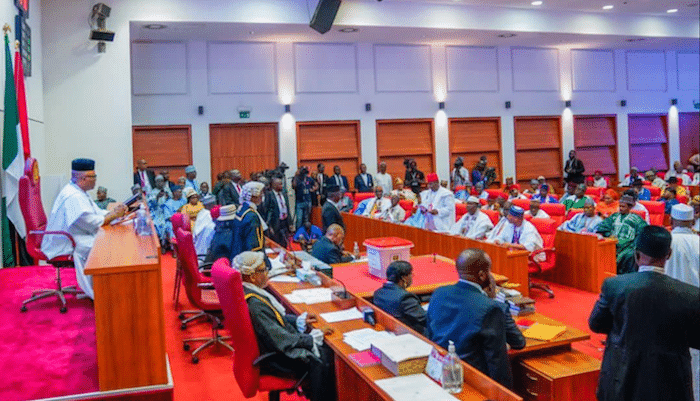
The Nigerian Senate has revised the oil price benchmark for the 2026 fiscal year downward from $64.80 to $60 per barrel. This adjustment forms part of the ₦54.46 trillion Federal Government budget framework. Lawmakers maintained all other macroeconomic projections in the 2026-2028 Medium Term Expenditure Framework and Fiscal Strategy Paper.
Revised Oil Benchmarks and Production Targets
Committee Chairman Sani Musa attributed the reduction to global realities. Geopolitical tensions in Europe and the Middle East were cited as key factors. These conflicts create volatility in crude oil prices. The committee adopted conservative benchmarks acknowledging market sensitivity.
Revised benchmarks set 2027 prices at $65/barrel (up from $64.30) and 2028 at $70/barrel (from $65.50). Domestic oil production targets remain steady. These include 1.84 million barrels daily for 2026, rising to 1.92 million by 2028. This stability reflects confidence in ongoing sectoral reforms.
Macroeconomic Projections
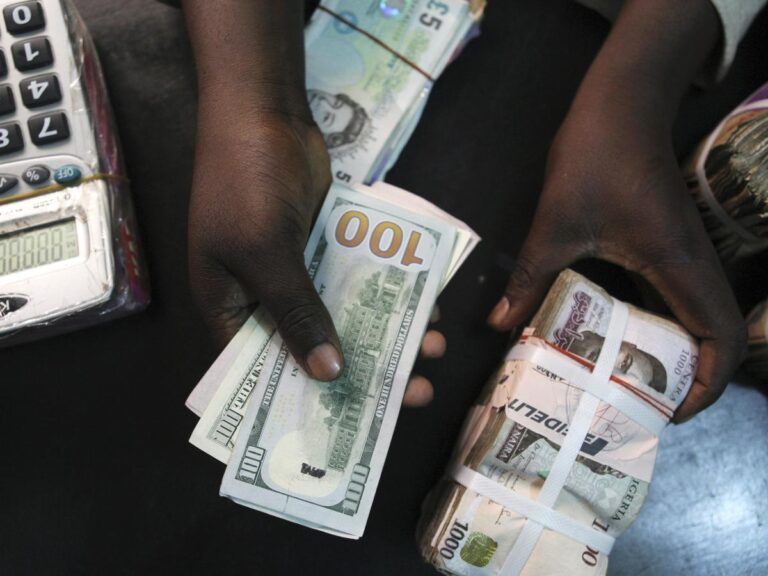
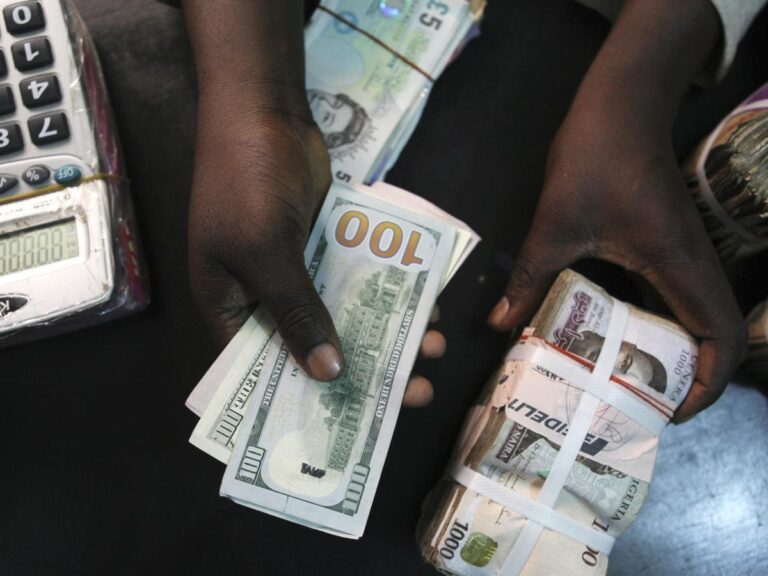
The Senate approved exchange rate projections of ₦1,512/$ for 2026. This decreases to ₦1,432.15 in 2027 and ₦1,383.18 in 2028. These targets align with Central Bank policies for naira stabilization.
Inflation is projected to decline steadily. Rates are set at 16.5% (2026), 13% (2027), and 9% (2028). Monetary authorities’ commitment underpins these estimates. GDP growth forecasts show expansion from 4.68% in 2026 to 7.9% by 2028.
Budget Framework Details
The ₦54.46 trillion expenditure plan includes ₦34.33 trillion in retained revenue. New borrowing approvals total ₦17.88 trillion. Debt service obligations are projected at ₦15.52 trillion. Pension and gratuity allocations stand at ₦1.376 trillion.
Capital expenditure excluding transfers is ₦20.131 trillion. Statutory transfers account for ₦3.152 trillion. The Sinking Fund provision is ₦388.54 billion. Recurrent non-debt expenditure totals ₦15.265 trillion.
Revenue Enhancement Measures
The committee emphasized implementing new Tax Acts as economic catalysts. It recommended a National Scanning Policy through the Nigeria Revenue Service. This policy aims to improve revenue collection and trade facilitation. It also targets reduced financial leakages and enhanced security.
Special intervention funds include ₦200 billion for recurrent expenditure and ₦14 billion for capital projects. The committee expressed confidence these measures will drive sustainable economic growth when implemented effectively.
About the Author