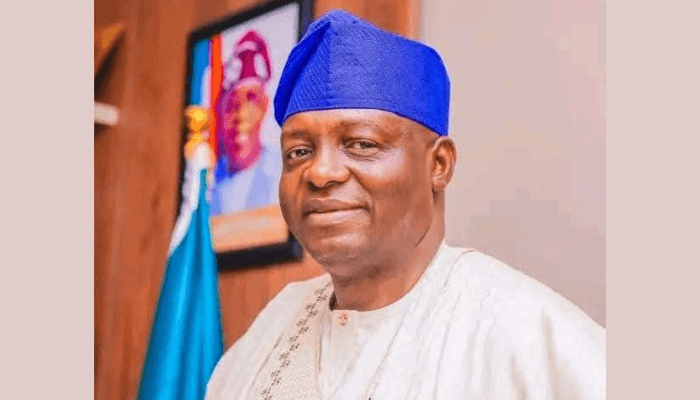
Muhyi Magaji Rimin Gado chairs the Kano State Public Complaints and Anti-Corruption Commission (PCACC). He recently compared Nigeria’s anti-corruption drive to the long war against drug cartels. This fight was waged by US and Colombian authorities.
Gado expressed deep concern. His investigation targets billions of public funds allegedly looted in Kano State. This occurred under former Governor Abdullahi Ganduje. The probe has brought “ceaseless threats” to his life and family. It even led to his arrest last Friday by armed security agents.
Magaji spoke at a Lagos event. It was the 19th Edition of the Compendium on 100 High Profile Corruption Cases in Nigeria. He declared that fighting corruption in Nigeria is extremely dangerous. It is like confronting armed Colombian drug cartels.
He also connected rising violence and banditry in the North to public fund theft. Corrupt officials, he stated, create a “stagnant pool of poverty and human misery.” This environment then breeds criminals, offering them many potential recruits.
Uncovering Billions in Kano Funds
Gado explained his discovery. As he investigated corruption petitions, he found a pattern. Most companies in public-private partnerships across the state had ties to Ganduje.
He further uncovered billions in illicit funds. These related to the state’s Internally Generated Revenue (IGR). Fraudulent land rents were a significant part of this.
Gado reflected on his “avalanche of corruption cases in Kano.” He called corrupt politicians a “cancerous ailment.” He believes they need a “painful but necessary surgical operation.” Only then can Nigeria regain its pride among nations.
Harrowing Arrest and Police Complicity
Magaji then recounted his arrest. For 17 hours, he endured harrowing experiences. He was bundled into a vehicle. Armed policemen sandwiched him throughout the journey.
He expressed shock at the ordeal. Gado noted that if armed bandits attacked their convoy, escape would have been unlikely.
He declared, “The cases I began investigating in Kano involved billions of public funds. These were diverted by public officials. They are desperate to kill to keep stolen money. They are as dangerous as Colombian drug cartels. Fighting them feels like fighting drug lords.”
Magaji emphasized a key point. Corruption cannot be fought effectively. This is especially true when law enforcement agents are compromised. The very corrupt politicians he fights disregard accountability.
He alleged police complicity. Some officers, he claimed, are being used against him. This is by “powerful but stupendously corrupt politicians.” These individuals, he added, “feed on the misery of the toiling masses.”
The Kano PCACC chairman questioned the Nigeria Police Force’s actions. He asked why they would criminally investigate a judicial process. This process was duly initiated under Section 211 of the Nigerian Constitution.
He argued this was prejudicial. The police should not pursue someone who filed corruption charges. These charges were on behalf of the state against corrupt politicians.
He further stated, “The Attorney General gave me fiat to prosecute. I investigate allegations of offenses against Kano State laws. Why am I arrested for fulfilling my legal duty? Why not arrest the state itself if they dare?”
Gado concluded, “The police lack legal or moral grounds. They should not inquire about matters already before the court. This is especially true for criminal cases the court has acknowledged.”
About the Author