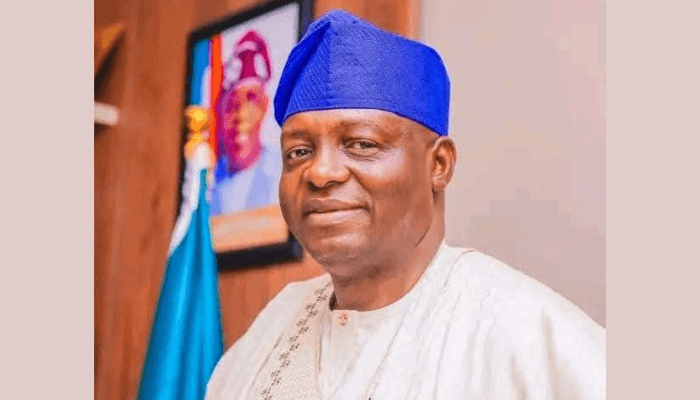
Ibrahim Dosara, a former Commissioner of Information in Zamfara State, has dismissed allegations against Dr. Bello Matawalle. Dr. Matawalle currently serves as the Minister of State for Defence.
In a statement released on Sunday, Dosara labeled these accusations as politically motivated.
He questioned the timing of these claims. They surfaced just as Nigeria renews its efforts to tackle insecurity.
Dosara asserted that these accusations have faced repeated investigations. None have led to any indictment or official finding of wrongdoing.
He noted that those making these claims have avoided formal complaints. This includes former aides and political rivals. They have not approached law enforcement, anti-corruption agencies, or the courts.
Dosara emphasized the allegations against Dr. Matawalle. He called them “part of Zamfara’s political theatre since 2019.” He stated these claims have been “investigated, revisited, and subjected to scrutiny.” Yet, they have not yielded any indictment or official recommendation of wrongdoing.
He challenged Matawalle’s accusers. These include “former aides with grievances,” “political opponents seeking relevance,” and “clerics influenced by partisan tensions.” Dosara argued that if they possessed credible evidence, “the law provides clear avenues.” These avenues include the police, intelligence agencies, the EFCC, ICPC, or competent courts. “Yet none has ever taken this path,” he added. Instead, accusations persist “as sound bites.” They are “weaponised and recycled” for political gain. Dosara stressed that “due process, not speculation,” is the true test of integrity in a democracy.
Dosara also claimed that the portrayal of Matawalle’s administration in Zamfara has been distorted. He highlighted that the administration expanded security deployments and strengthened intelligence coordination.
He recalled that dialogue with armed groups was a strategy employed then. It received support from federal officials and northern security experts. This approach was only abandoned after intelligence agencies deemed it ineffective.
“Most importantly,” Dosara added, “the so-called ‘dialogues’ were a nationally endorsed strategy.” He said they are now “twisted out of context.” This strategy was recommended by “security experts, northern elders, and federal authorities.” He concluded that “nearly every state in the Northwest and North-Central experimented with similar models.”
About the Author