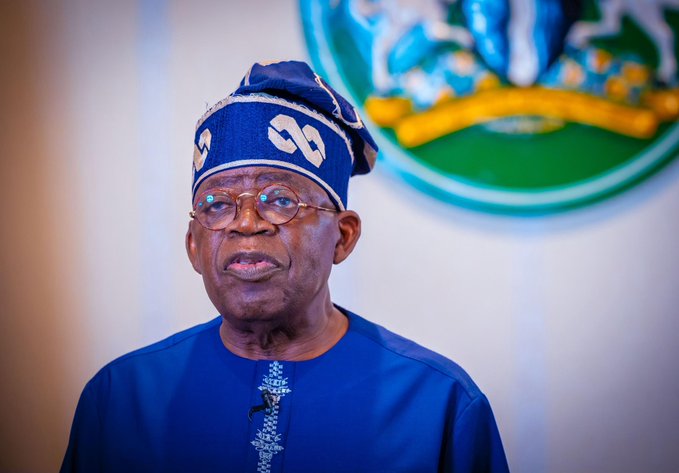
The Presidency has clarified its recent ambassadorial nominations. These include prominent figures such as former presidential aide Reno Omokri. Other nominees are immediate past INEC Chairman Mahmood Yakubu, and former Aviation Minister Femi Fani-Kayode.
Demola Oshodi, President Bola Tinubu’s Senior Special Assistant (Protocol), offered insights into these choices. He spoke during an appearance on Arise News’ “The Morning Show.” Oshodi acknowledged that public appointments often draw both support and opposition.
He emphasized the importance of maintaining balance in such selections. Oshodi urged Nigerians to appreciate the President’s considerations for a successful administration.
Rationale for Mahmood Yakubu’s Nomination
Oshodi was questioned about the strategic value of Yakubu’s nomination for Nigeria’s foreign policy. He then highlighted the former INEC chairman’s extensive career. “We can look at the professor’s years of career,” Oshodi stated. “He has been in charge of Nigeria’s electoral body for many years.”
Oshodi further noted Yakubu’s role in conducting the 2019 and 2023 general elections. He believes these were “generally considered a good job.” He explained that non-career diplomats are political appointees. Their primary emphasis is loyalty to the administration and understanding its vision.
Responding to queries about Yakubu’s loyalty stemming from the last election, Oshodi clarified the criteria. He stressed that national service is a key factor. “I’m just giving you different reasons why the President made his judgment,” Oshodi said. “There’s also ethnic and state balance.”
The presidential aide underscored the need for federal character in appointments. He couldn’t specify the President’s exact judgment for Professor Yakubu. However, Oshodi affirmed, “his national service has been exemplary.” He added, “That is why he has been rewarded with this high office.” He concluded that loyalty to the President forms part of a broader set of criteria.
Oshodi reiterated that national service could be a compelling reason for the appointment. “You can’t just focus on loyalty and say that is the reason,” he advised. He pointed to Yakubu’s commendable long-term service to the country.
Why Femi Fani-Kayode Was Nominated
Addressing Fani-Kayode’s inclusion, Oshodi clarified that the President’s decision-making process for diplomatic appointments is multifaceted. These decisions, especially for ambassadors and high commissioners, are based on an assessment of competence and capacity.
“Some countries and situations require certain skills and attributes,” Oshodi explained. He expressed confidence that the President’s judgment is rooted in these specific requirements. He emphasized that every appointee serves a purpose.
Oshodi also highlighted Fani-Kayode’s prior national service in various capacities. He contended that being perceived as “divisive” does not automatically disqualify an individual from further service. “Everyone’s personal life is personal,” Oshodi stated. He concluded that the President’s choices prioritize national service and a balance of competence.
About the Author