Nigeria’s economic landscape is showing clear signs of recovery. This is according to Dr. Olayemi Cardoso, Governor of the Central Bank of Nigeria (CBN). He stated that the nation has entered a more stable phase. This follows two years of significant monetary reforms.
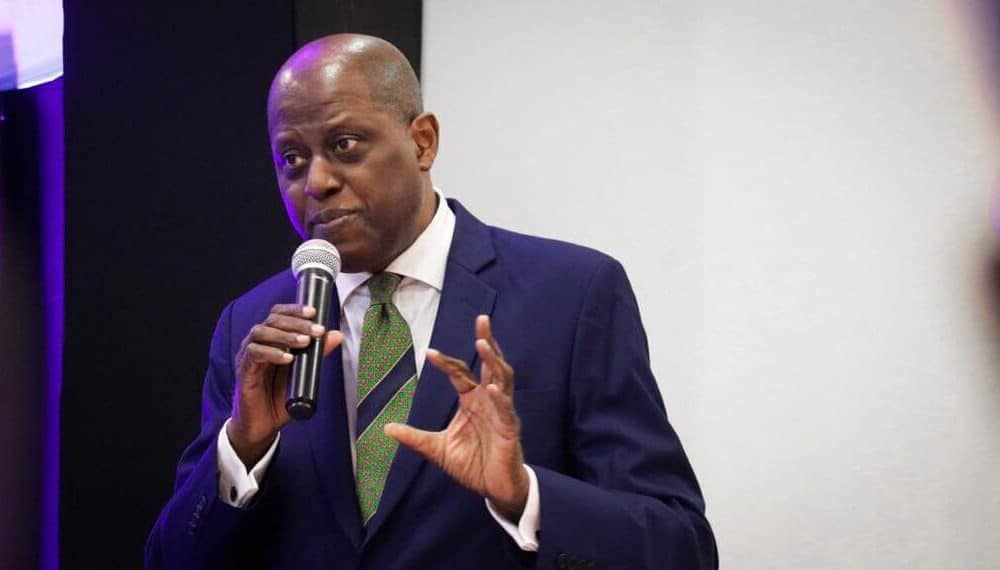
Cardoso shared this positive outlook at the 60th Annual Bankers Dinner. The event was hosted by the Chartered Institute of Bankers of Nigeria in Lagos. He declared that Nigeria has “turned a decisive corner” in its reform journey.
The CBN Governor highlighted several key improvements. These include easing inflation and a steadier foreign exchange (FX) market. He also noted stronger investor confidence. These factors, he said, point to an economy regaining balance.
The Bank’s embrace of orthodox monetary policy is proving effective. Firmer regulatory oversight is also playing a role. These actions are steadily correcting economic distortions, according to Cardoso.
Inflation Rates Decline Significantly
Inflation, a major concern, has seen a remarkable drop. It fell from 34.6 per cent in November 2024 to 16.05 per cent by October 2025. Food inflation also retreated to 13.12 per cent. Earlier in the year, it was close to 22 per cent.
Cardoso affirmed the CBN’s resolve. The bank will continue to adjust policy instruments. The goal is to guide inflation towards single-digit levels.
Foreign Exchange Market Stabilizes
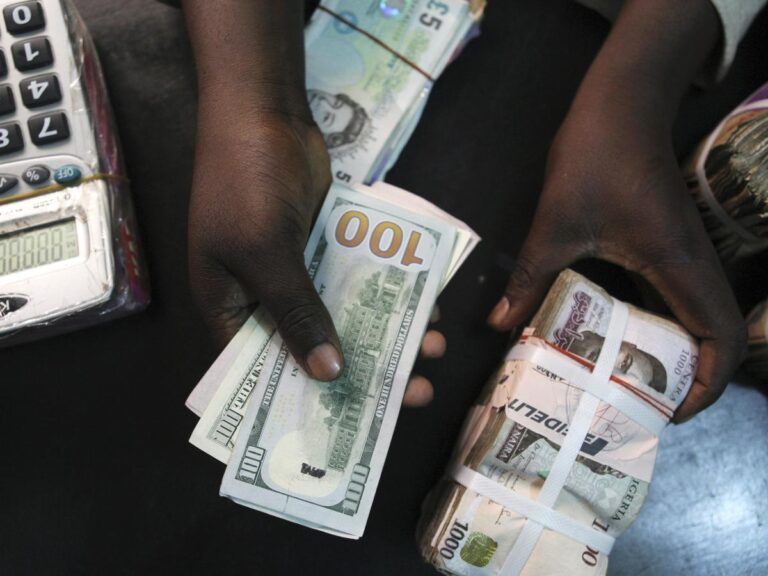
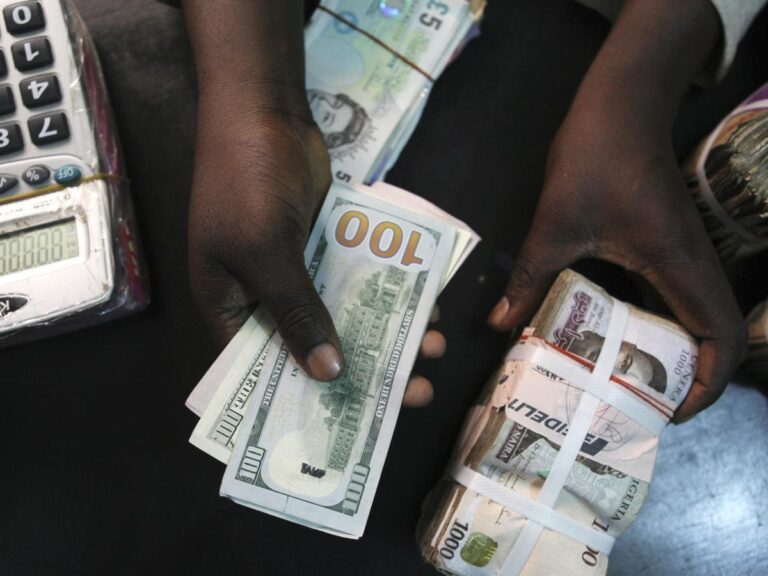
A significant portion of Cardoso’s review focused on the foreign exchange market. He confirmed the CBN has fully settled the multi-billion-dollar FX backlog. This sum was previously estimated at over seven billion dollars. The current administration inherited this backlog.
Clearing these arrears has restored confidence. Foreign airlines, manufacturers, and portfolio investors are now more optimistic. This is a crucial step for the Nigerian economy.
Several reforms have contributed to this stability. These include the unification of exchange rates. The introduction of the Electronic Foreign Exchange Management System also helped. Furthermore, the Nigerian FX Market Conduct Code improved operations.
These measures have reduced opacity. They have also discouraged arbitrage practices. The Naira now trades within a tighter band. The gap between official and parallel market rates has significantly narrowed. It is now below 2 per cent. Previously, it widened past 60 per cent.
Investor Inflows and External Reserves Rise
Improved stability has attracted more investor inflows. These reached 20.98 billion dollars in the first ten months of 2025. This represents a 70 per cent jump. It surpasses the total inflows for the whole of 2024.
Nigeria’s external reserves have also rebounded. They now stand at 46.7 billion dollars. This is the highest level in almost seven years. It provides more than ten months of import cover.
Cardoso emphasized the source of these rising reserves. They stem from stronger FX liquidity. Non-oil exports and increased diaspora remittances also contribute. Crucially, this growth is not from fresh borrowing.
Robust Financial System and Global Recognition
The financial system remains robust. The recapitalisation of banks is progressing well. Twenty-seven banks have already raised new funds. Sixteen institutions have met or exceeded new capital thresholds. They achieved this ahead of the March 31, 2026 deadline.
Stress tests confirm the system’s health. The CBN has also strengthened oversight of ATMs and POS agents. Rules for branch closures were revised. A full review of the cash distribution network was completed.
Nigeria’s removal from the Financial Action Task Force (FATF) grey list is a major achievement. Countries on this list often face reduced capital inflows. Nigeria’s exit has eased compliance pressure. It has also boosted global confidence in the country’s financial conduct.
Growth in Digital Payments and Fintech
The digital payments and fintech sectors are experiencing rapid growth. Over 12 million contactless cards have been issued. The regulatory sandbox now hosts more than 40 innovators. Interoperability across switching companies has also deepened.
The CBN will continue to support innovation. However, it will always operate within a framework. This framework safeguards consumers and financial stability.
International Acknowledgment of Reforms
Global rating agencies are recognizing Nigeria’s reform progress. Fitch recently upgraded Nigeria from B- to B with a stable outlook. Moody’s moved the country from Caa1 to B3. S&P shifted the outlook from stable to positive. These upgrades reflect growing international confidence.
2026 Priorities and Optimistic Outlook
Looking ahead to 2026, Cardoso outlined key priorities. These include strengthening banks’ resilience. Improving price stability through a refined inflation-targeting framework is another goal. Expanding the digital payments network is also key. Enhancing oversight of fintech operators is important. The CBN also aims to modernize its internal processes. Building stronger partnerships, both locally and internationally, is a priority.
The Governor concluded with an optimistic note. He believes Nigeria is better positioned to handle external shocks. This resilience is supported by a flexible exchange-rate regime. Rising non-oil exports and a growing services sector contribute. Firmer reserves also play a vital role.
About the Author