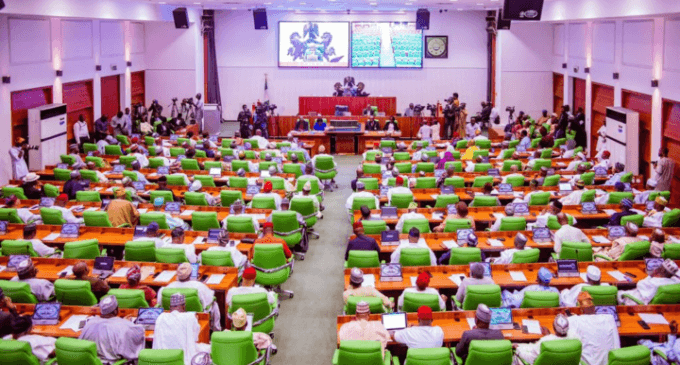
The Niger Delta Accountability and Resource Protection Network (NDARPN) has strongly refuted recent claims. These claims originated from the House of Representatives Committee on the South-South Development Commission (SSDC). The committee alleged a failure to implement key Petroleum Industry Act (PIA) funds. This, they claimed, deprived the Niger Delta of over ₦1 trillion.
NDARPN described these assertions as “sensational, misleading, and potentially damaging.” The group noted such statements could undermine the investment stability the PIA has diligently fostered. Mr. West, a spokesperson for NDARPN, publicly addressed the issue.
PIA Implementation: A Transparent and Impactful Framework
West emphasized the significant progress in PIA implementation. Regulatory bodies, particularly concerning host community development funds and environmental duties, have demonstrated clear impact. He stated the current framework is far more transparent than any existing before the PIA. He cautioned lawmakers against making political statements. Such remarks, he warned, could “erode investor confidence” or “disrupt the delicate progress” achieved so far.
“It is simply inaccurate to suggest the Niger Delta has been denied trillions,” West asserted. “The funds are not being operated in the dramatic fashion being portrayed.” He added that the host communities development provisions of the PIA undergo effective and rigorous monitoring. The robust regulatory framework now ensures direct community benefits. It also provides clear oversight and traceability of funds.
According to West, the PIA established enforceable obligations. Regulators now track these obligations diligently. They utilize much stronger compliance mechanisms than those existing previously. He further explained that the “non-implementation” narrative ignores verifiable progress. This progress spans across host communities and environmental management initiatives within the region.
“We must be careful not to weaponize environmental concerns,” West cautioned. “Nor should we misrepresent regulatory processes.” He warned that such portrayals weaken the credibility of ongoing reforms. They also undermine the collective fight for environmental justice in the Niger Delta.
Rebuilding Investor Confidence and Stability
West also highlighted Nigeria’s sustained efforts. These efforts aim to rebuild confidence among multinational oil companies. Many of these companies had exited the country. Years of regulatory instability, conflicting directives, and institutional pressure had previously “strangled investment.”
“After decades of uncertainty, Nigeria now enjoys a stable legislative and fiscal environment,” he noted. “It is wise to let relevant agencies fulfill their mandates.” These mandates must strictly adhere to PIA dictates. Any attempt to drag them into “political theatrics” could jeopardize the gradual return of investor confidence, he added.
West acknowledged the National Assembly’s vital oversight role. However, he stressed it must be evidence-based. It should not be driven by mere assumptions. Such assumptions could potentially create confusion or tension within the critical oil and gas sector, he concluded.
About the Author