Ghana has expressed interest in co-hosting a future FIFA World Cup. The nation aims to partner with Nigeria and Ivory Coast. This move signals West Africa’s ambition to host football’s most prestigious event.
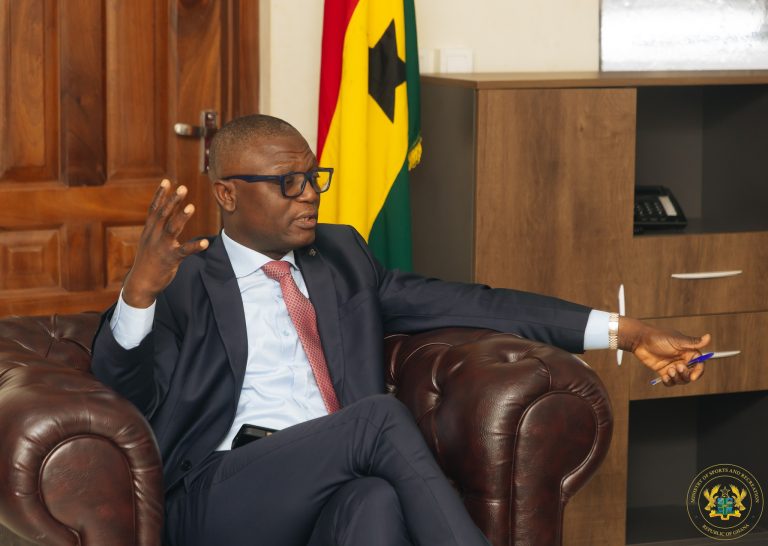
Ghana’s Minister of Sports and Recreation, Kofi Adams, confirmed the country’s willingness to explore a joint bid. He highlighted FIFA’s evolving approach, which now favors multi-nation hosting. This trend makes such partnerships more viable than ever before.
“FIFA is adapting to multiple nations hosting,” Adams stated, as reported by Ghana Soccernet. “Perhaps the next one could be Ghana, Nigeria, and Ivory Coast coming together. It would be a great achievement.”
This sentiment aligns with recent global hosting trends. The 2026 World Cup will be shared by the United States, Canada, and Mexico. The 2030 tournament will span Morocco, Spain, and Portugal, with additional centenary matches in Uruguay, Argentina, and Paraguay. Saudi Arabia has secured the 2034 rights. This leaves 2038 as the next potential opportunity for a new host.
The West African region has a history of hosting major sports events. Ghana recently organized the delayed 2023 African Games, showcasing its capacity for large-scale multi-sport events. Nigeria has also hosted the Africa Cup of Nations and several FIFA youth tournaments in the past.
Challenges and Opportunities for a Joint Bid
Despite this experience, Nigeria faced setbacks with its failed bid for the 2030 Commonwealth Games. Issues included stadium readiness, transport infrastructure, funding gaps, and overall organizational capacity. Significant improvements would be necessary to meet World Cup hosting standards.
However, Minister Adams remains optimistic. He believes the three West African nations possess enough collective experience and infrastructure. “Together with Nigeria and Ivory Coast, who invested heavily in hosting AFCON recently, we can certainly pursue this right,” he affirmed.
A successful joint bid would be a landmark achievement for West African football. It would not only boost regional development but also showcase Africa’s capability on the global stage. The collaborative effort could help overcome individual challenges.
About the Author