Kaduna Governor to Pick Christian Running Mate for 2027
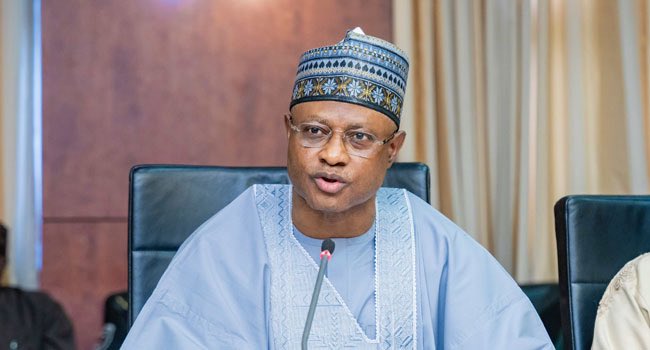
Kaduna State Governor Uba Sani is poised to name a Christian from Southern Kaduna as his running mate for the 2027 governorship election. The move would return the state to its long‑standing practice of pairing governors and deputies across religious lines.
The decision comes as the Independent National Electoral Commission’s deadline for submitting candidates and their deputies approaches, with less than two weeks remaining.
Shift from Muslim‑Muslim Ticket
Sources close to the governor told Daily Trust that Sani has settled on a Muslim‑Christian ticket, abandoning the Muslim‑Muslim arrangement introduced by his predecessor, Nasir El‑Rufai, before the 2019 election.
El‑Rufai had swapped his first‑term deputy, Barnabas Yusuf Bala (known as Bantex), for Hadiza Sabuwa Balarabe, creating Kaduna’s first Muslim‑Muslim governorship ticket since the return to civilian rule in 1999. Balarabe continued as deputy governor when Sani assumed office in 2023.
Need for a New Deputy
The push for a new running mate has grown because Balarabe would be ineligible to serve a third term as deputy governor. Sani reportedly weighed age, gender, zoning, and religion before deciding that faith and senatorial balance should take priority.
“The governor has moved past earlier discussions. He believes a balanced ticket in terms of faith is essential for fairness,” a Government House source said.
To avoid lobbying and premature pressure, Sani has kept the identity of his preferred Christian candidate confidential.
Potential Candidates
Names mentioned in the consultations include:
- James Kanyip – Commissioner for Justice
- Jummai Bako – Head of Service
- Jerry Adams – Executive Chairman, Kaduna State Internal Revenue Service
The governor’s press secretary, Ibraheem Musa, declined to comment on the speculation, stating that the public will be informed once an official decision is made.
Reaction from Southern Kaduna
The prospect of retaining the deputy governorship slot in Southern Kaduna has been welcomed by local leaders, who argue that it promotes inclusion and reinforces a sense of political equity across the state.
About the Author