FIFA May Expand 2030 World Cup to 64 Teams
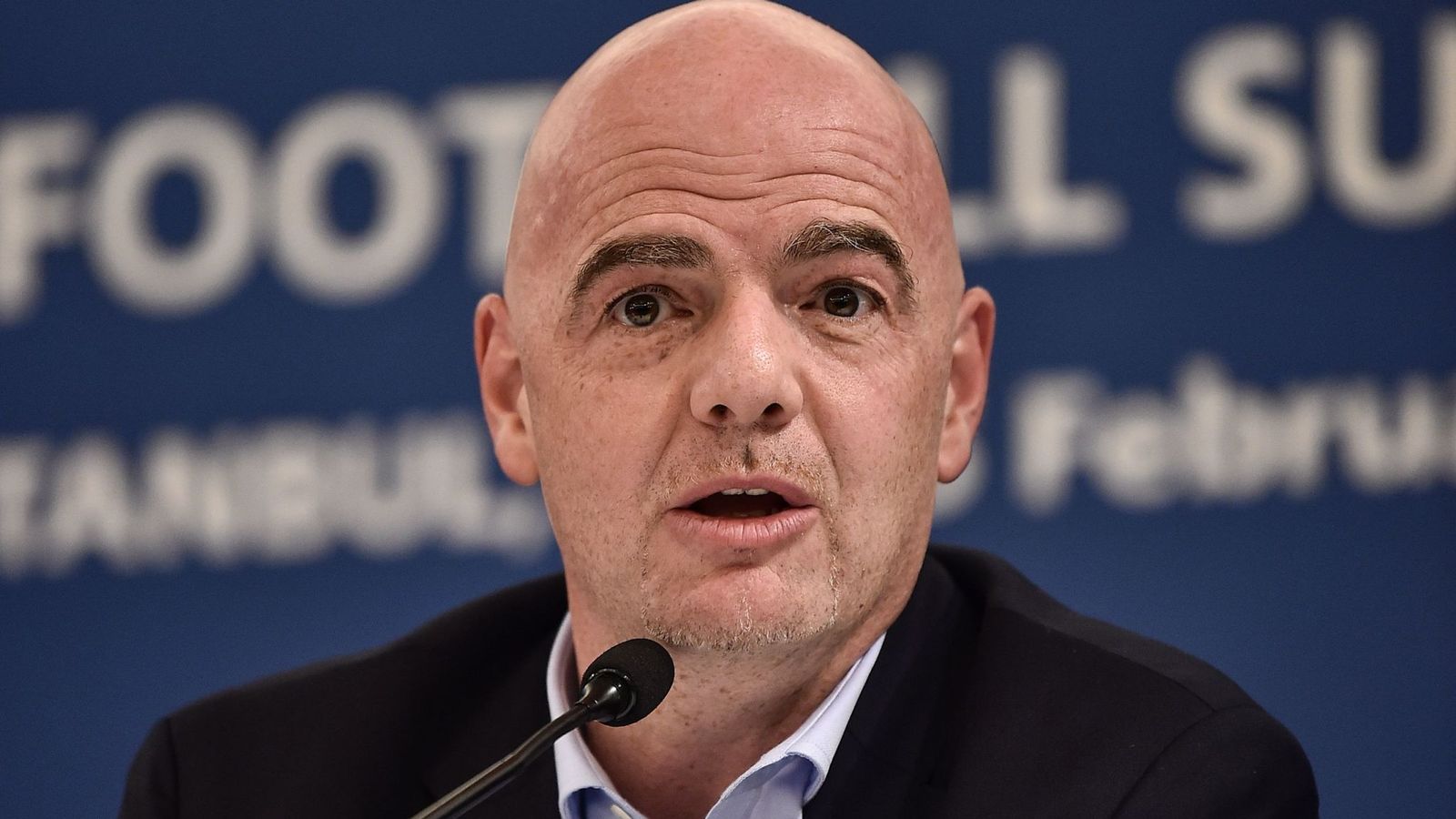
FIFA President Gianni Infantino has announced that football’s governing body is considering increasing the size of the 2030 World Cup from 48 to 64 teams.
He said the proposal will be discussed after the conclusion of the current World Cup, as FIFA continues to look for ways to give more countries a chance to compete in the sport’s premier tournament.
Infantino pointed out that the expanded format used for the 2026 edition raised the number of matches from 64 to 104, describing it as a success because teams from every continent managed to score goals and earn points.
He argued that the World Cup should not remain a contest dominated solely by traditional powers from Europe and South America, and that nations from other regions deserve an opportunity to dream of qualifying and playing on the world stage.
According to Infantino, expanding the tournament would motivate smaller football nations to invest more in their leagues, academies and national programmes, preventing a loss of interest after repeated failures to qualify.
The FIFA president added that a larger field would help accelerate football development in countries that have historically struggled to reach the World Cup.
He noted that the competitiveness shown under the enlarged format strengthens the case for further growth of the competition.
Historically, the World Cup featured 32 teams from the 1998 tournament in France through to the 2022 edition in Qatar. FIFA later approved an increase to 48 teams for the 2026 tournament, adding 16 nations and pushing the total number of matches to 104.
If the 64‑team plan is adopted, the 2030 World Cup would become the largest in the competition’s history, offering more qualification slots to each continental confederation and giving debut opportunities to countries that have never played in the finals.
Nevertheless, the proposal still requires approval from FIFA’s relevant decision‑making bodies before it can be implemented.
The 2030 edition will also mark the tournament’s 100th anniversary and will be hosted across six countries on three continents.
Opening matches will be held in Uruguay, Argentina and Paraguay to honour South America’s role in the competition’s origins, recalling that Uruguay hosted and won the inaugural World Cup in 1930.
The remaining fixtures will take place in Morocco, Portugal and Spain, making it the first World Cup staged on three continents.
This unique arrangement aims to celebrate the centenary while bringing the tournament to Europe, Africa and South America.
FIFA said it will examine the sporting, financial and logistical implications of the plan before reaching a final decision on the 2030 format.
About the Author