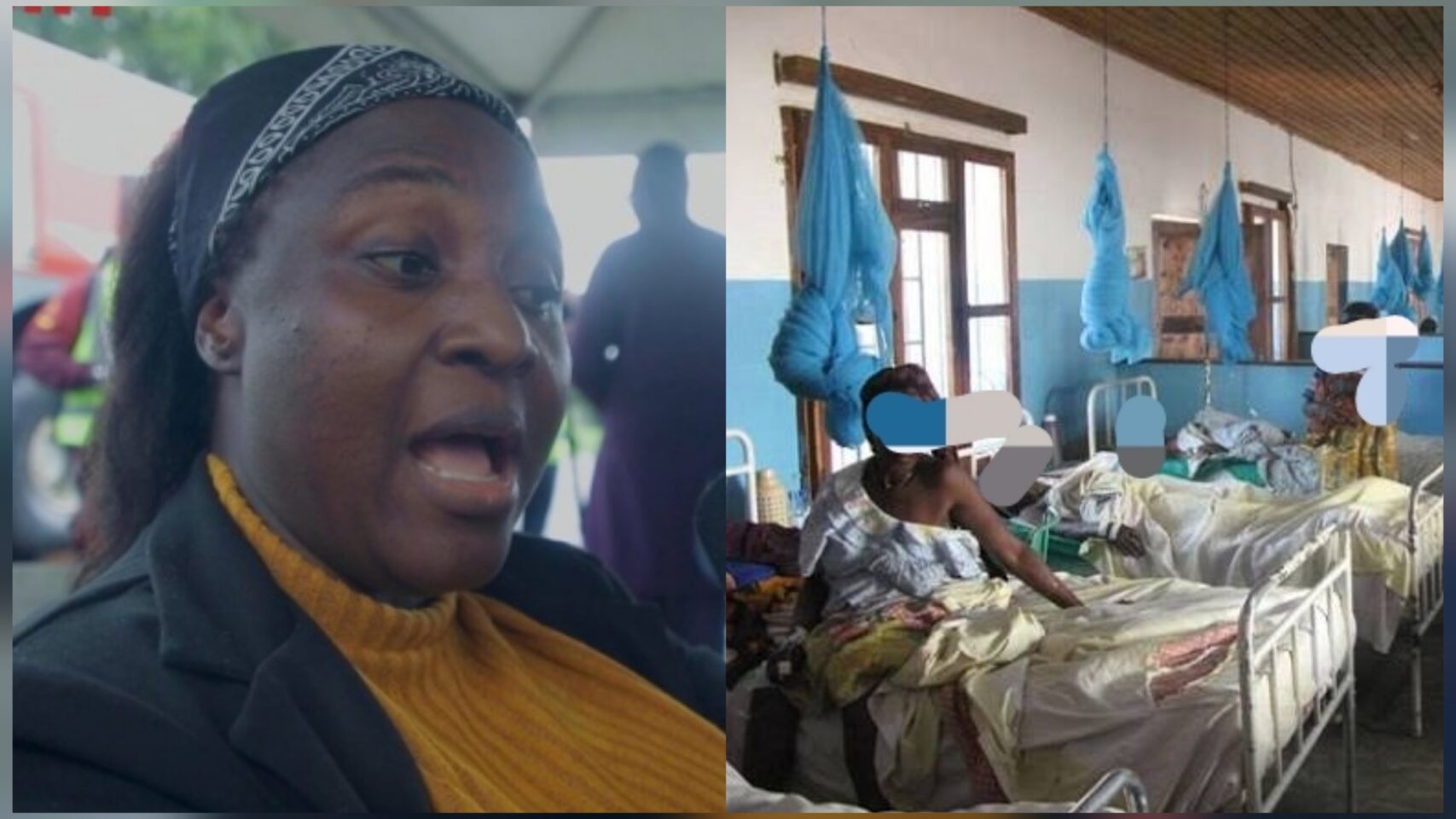
A Nigerian woman who recently returned from South Africa described her family’s hardships after living over ten years there without proper residency papers.
She said she stayed in South Africa for 11 years, while her husband remained for 12 years.
Due to missing permits, the family struggled to find steady work and faced discrimination.
Allegations of Discrimination and Healthcare Obstacles
She explained that foreigners often encounter hostility and limited access to medical care.
She recalled a particularly painful moment after delivering a daughter in a South African hospital.
According to her, a nurse instructed her to mop the floor despite heavy bleeding shortly after birth.
The situation shifted when the nurse realized she could not speak the local language, identifying her as a foreigner.
She called the episode deeply traumatic, saying it made her feel unwanted and unfairly treated because she was not South African.
Children Reportedly Faced School Challenges
The woman also claimed her children experienced bias at school.
They were sometimes denied awards and recognition, leading them to question if they were treated differently for not being South African.
She said these incidents caused emotional strain for the family during their stay.
Despite the hardships, she expressed gratitude for returning safely to Nigeria with her family.
She thanked the Nigerian government and all who helped with their return, calling it a life‑changing opportunity.
“I want to thank the Nigerian government and everyone involved in this. I just want to tell them that God bless them because this is a great opportunity,” she said.
Her story emerges amid renewed debate about the treatment of foreigners in South Africa following recent anti‑immigrant protests and rising xenophobia concerns.
‘I was made to clean my blood when I gave birth at a hospital because I’m a foreigner’ — repatriated Nigerian woman speaks on South African ordeal
About the Author